Medically reviewed by Dr. Leslie Kernisan, MD, MPH — Board-Certified Geriatrician · last reviewed March 25, 2026
How Aromatherapy Can Help Seniors Manage Anxiety and Sleep Disorders: A Complete Guide
Discover how aromatherapy can ease anxiety and improve sleep for seniors. Learn safe, effective methods and expert tips for better well-being.
The Growing Need for Natural Anxiety and Sleep Solutions in Senior Care
As seniors age, they often face increased challenges with anxiety and sleep disorders. According to the National Institute on Aging, nearly 50% of older adults struggle with insomnia, while anxiety affects up to 10-20% of seniors. These issues can stem from chronic pain, medication side effects, loneliness, or cognitive decline—making restful sleep and emotional balance harder to achieve.
While prescription medications are commonly prescribed, they can carry risks like dependency, dizziness, or interactions with other drugs. That’s why many families and caregivers are turning to natural, holistic approaches like aromatherapy to support their loved ones. At Senior Care Companion, we’ve seen firsthand how gentle, non-invasive therapies can make a meaningful difference in seniors’ quality of life.
In this guide, we’ll explore the role of aromatherapy in managing anxiety and sleep disorders for seniors, including:
- How aromatherapy works to calm the mind and body
- Best essential oils for anxiety and sleep
- Safe application methods for seniors
- Practical tips for integrating aromatherapy into daily routines
- When to seek professional support
How Aromatherapy Works: The Science Behind the Scents
Aromatherapy is more than just pleasant smells—it’s a therapeutic practice that uses plant-derived essential oils to promote physical and emotional well-being. When inhaled or applied to the skin (with proper dilution), these oils interact with the limbic system, the part of the brain responsible for emotions, memory, and stress responses.
Key Benefits for Seniors
For older adults, aromatherapy can:
- Reduce anxiety by lowering cortisol (the stress hormone) levels
- Improve sleep quality by encouraging relaxation and deeper rest
- Ease agitation in seniors with dementia or Alzheimer’s
- Enhance mood by triggering positive memories and emotions
- Support respiratory health (e.g., eucalyptus for congestion)
A 2020 study in Complementary Therapies in Medicine found that seniors who used lavender oil experienced significantly better sleep quality and reduced anxiety compared to a control group. Another study in Journal of Alternative and Complementary Medicine showed that bergamot oil helped lower blood pressure and heart rate in older adults with hypertension.
Best Essential Oils for Anxiety and Sleep in Seniors
Not all essential oils are created equal—some are better suited for calming anxiety, while others excel at promoting sleep. Here are the top choices for seniors, along with their unique benefits:
1. Lavender: The Gold Standard for Relaxation
Why it works: Lavender is the most researched essential oil for anxiety and sleep disorders. Its soothing scent slows the nervous system, reduces restlessness, and may even help with mild pain relief.
How to use:
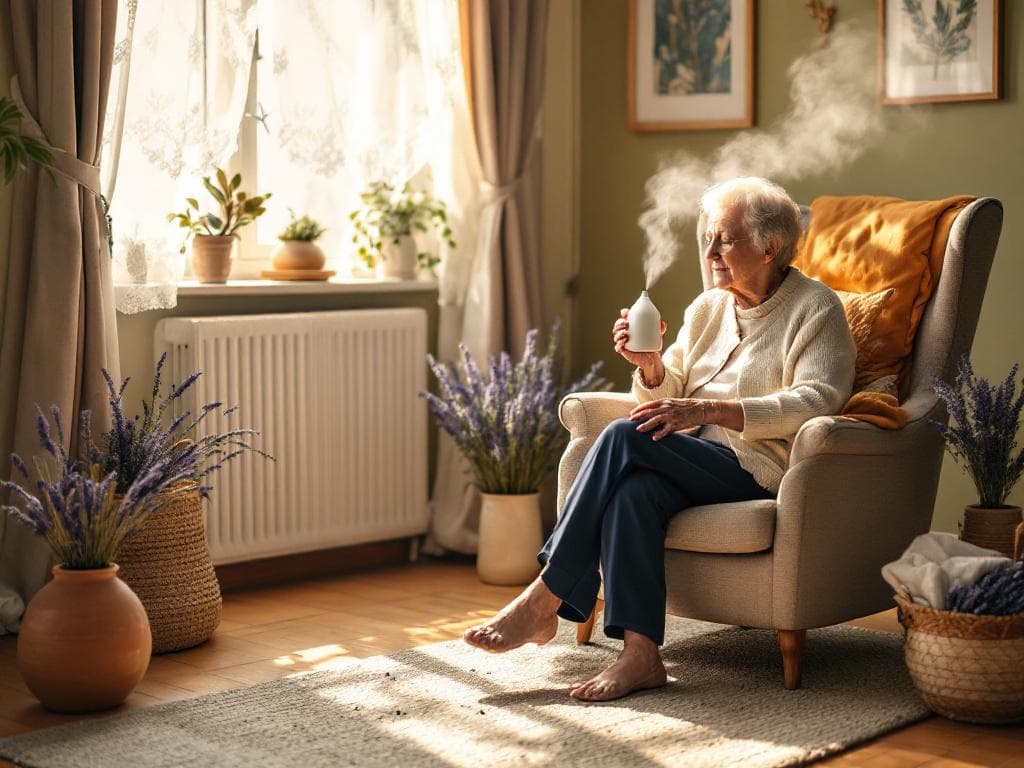
- Diffuse 3-5 drops in a bedroom 30 minutes before bedtime
- Add 2-3 drops to a warm bath (mix with a carrier oil first)
- Dilute with coconut oil and apply to pulse points (wrists, temples)
Safety note: Lavender is generally safe, but some seniors may experience mild skin irritation. Always do a patch test first.
2. Bergamot: The Mood-Lifting Citrus
Why it works: Bergamot (a citrus oil) has a bright, uplifting aroma that reduces stress and anxiety without being overpowering. It’s also been shown to lower cortisol levels.
How to use:
- Diffuse with lavender for a calming blend
- Inhale directly from the bottle for quick relief
- Add 1-2 drops to a cup of herbal tea (food-grade only)
Safety note: Bergamot can cause photosensitivity—avoid direct sunlight after topical use.
3. Chamomile: Gentle Sleep Support
Why it works: Chamomile (Roman or German) is well-known for its sedative effects, making it ideal for seniors with insomnia or nighttime restlessness.
How to use:
- Diffuse 3-4 drops in the evening
- Mix with lotion and apply to the chest before bed
- Add to a warm compress for muscle relaxation
4. Frankincense: Deep Relaxation for the Mind
Why it works: Frankincense has been used for centuries to quiet the mind and ease anxiety. It’s particularly helpful for seniors dealing with grief, loneliness, or cognitive decline.
How to use:
- Diffuse during meditation or quiet time
- Apply (diluted) to the bottoms of the feet for grounding
- Combine with lavender for a powerful sleep blend
5. Ylang Ylang: Heart-Calming and Soothing
Why it works: Ylang ylang has a sweet, floral scent that lowers blood pressure and heart rate, making it excellent for seniors with anxiety or stress-related insomnia.
How to use:
- Diffuse with bergamot for a mood-boosting blend
- Add to a carrier oil and massage into the shoulders
Safety note: Ylang ylang can be strong—use sparingly (1-2 drops) to avoid headaches.
Safe Aromatherapy Methods for Seniors
While aromatherapy is generally safe, seniors have thinner skin, slower metabolisms, and higher sensitivity to scents. Here’s how to use essential oils safely and effectively:
1. Diffusion: The Easiest and Safest Option
Best for: Bedrooms, living areas, or during quiet activities.
How to do it:
- Use an ultrasonic diffuser (avoid heat-based diffusers, which can alter the oil’s properties)
- Run for 30-60 minutes at a time (longer use can cause headaches)
- Keep the room well-ventilated
Senior Care Companion tip: Place the diffuser on a stable surface away from walkways to prevent spills.
2. Topical Application: Dilution Is Key
Best for: Pulse points, temples, or areas of tension (e.g., shoulders, neck).
How to do it:
- Always dilute essential oils with a carrier oil (e.g., coconut, jojoba, or almond oil) at a 1-2% ratio (1-2 drops of essential oil per teaspoon of carrier oil).
- Avoid sensitive areas like the face, eyes, or broken skin.
- Do a patch test 24 hours before full application.
3. Inhalation: Quick Relief for Anxiety
Best for: On-the-spot anxiety relief or before stressful events (e.g., doctor’s appointments).
How to do it:
- Place 1 drop of oil on a tissue or cotton ball and inhale deeply for 30 seconds.
- Use a personal inhaler (available at health stores) for discreet use.
- Avoid direct inhalation from the bottle—it can be too strong.
4. Aromatherapy Baths: Full-Body Relaxation
Best for: Evening wind-down routines.
How to do it:
- Mix 5-10 drops of essential oil with 1 tablespoon of carrier oil or Epsom salts before adding to bathwater.
- Keep water warm (not hot) to avoid dizziness.
- Limit baths to 15-20 minutes to prevent skin dryness.
Safety note: Never add undiluted essential oils directly to bathwater—they can irritate the skin.
Practical Tips for Integrating Aromatherapy into Senior Care
Making aromatherapy a consistent, enjoyable part of a senior’s routine can maximize its benefits. Here’s how families and caregivers can help:
1. Start Slow and Observe Reactions
- Introduce one oil at a time to monitor for allergies or sensitivities.
- Keep a journal to track which scents work best for anxiety or sleep.
- If a senior has respiratory conditions (e.g., asthma, COPD), consult a doctor before use.
2. Create a Calming Bedtime Ritual
- Diffuse lavender or chamomile 30 minutes before bed.
- Apply a diluted sleep blend to the wrists or pillow.
- Pair with soft music or guided meditation for deeper relaxation.
Senior Care Companion tip: Our caregivers often use aromatherapy alongside gentle hand massages to enhance relaxation for seniors with dementia.
3. Use Aromatherapy for Daytime Stress Relief
- Keep a personal inhaler with bergamot or frankincense for anxious moments.
- Diffuse citrus oils (e.g., sweet orange) in the morning to boost mood.
- Apply a peppermint blend to the temples for mental clarity.
4. Involve Seniors in the Process
- Let them choose their favorite scents—familiar aromas (e.g., vanilla, rose) can evoke positive memories.
- Create DIY blends together (e.g., lavender + vanilla for sleep).
- Use aromatherapy jewelry (e.g., diffuser necklaces) for portable relaxation.
When to Seek Professional Support
While aromatherapy can be a powerful tool for managing anxiety and sleep disorders, it’s not a substitute for professional medical care. Families should consult a doctor if:
- Anxiety or insomnia worsens or persists despite natural remedies.
- A senior experiences side effects from essential oils (e.g., headaches, skin irritation).
- There are concerns about medication interactions (e.g., blood thinners, sedatives).
- The senior has underlying health conditions (e.g., epilepsy, hormone-sensitive cancers).
At Senior Care Companion, our trained caregivers work closely with healthcare providers to ensure safe, personalized care plans—including complementary therapies like aromatherapy. If your loved one needs extra support, we’re here to help.
Final Thoughts: A Gentle Path to Better Sleep and Emotional Well-Being
Aromatherapy offers a natural, accessible way to help seniors manage anxiety and sleep disorders without the side effects of medications. By choosing the right oils, using safe application methods, and integrating scents into daily routines, families can create a calmer, more restful environment for their loved ones.
Remember: Every senior is unique. What works for one person may not work for another, so patience and experimentation are key. Start with small doses, observe reactions, and adjust as needed.
If you’re looking for professional guidance on incorporating aromatherapy into senior care, Senior Care Companion is here to support you. Our compassionate caregivers are trained in holistic therapies and can help create a personalized plan for your loved one’s well-being.
Ready to explore aromatherapy for your senior? Contact Senior Care Companion today to learn how we can help.
```