Medically reviewed by Dr. Leslie Kernisan, MD, MPH — Board-Certified Geriatrician · last reviewed April 5, 2026
How Art Therapy Enhances Cognitive Function in Seniors with Dementia: A Complete Guide for Families
Discover how art therapy boosts cognitive function in seniors with dementia. Learn practical tips, benefits, and how Senior Care Companion supports creative care.
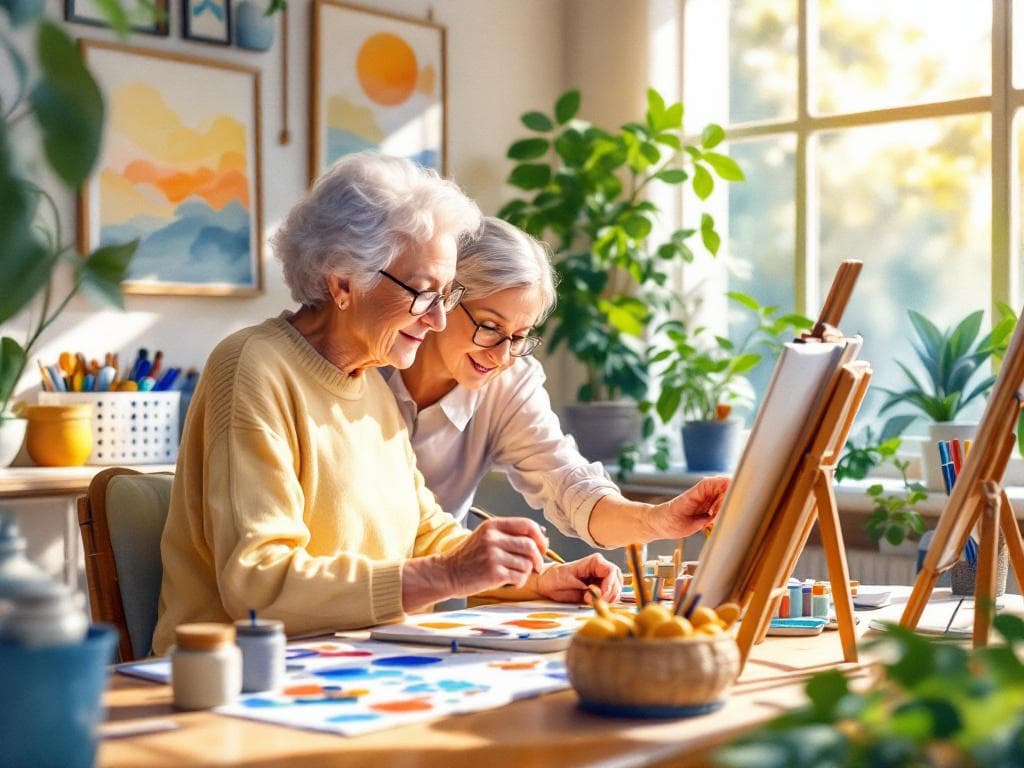
The Power of Art Therapy for Seniors with Dementia
Dementia can be a challenging journey—not just for seniors, but for their families as well. As cognitive abilities decline, many caregivers search for ways to improve quality of life, preserve memories, and foster meaningful connections. One powerful yet often overlooked tool is art therapy. Research shows that creative expression through art can significantly enhance cognitive function in seniors with dementia, offering emotional, social, and neurological benefits.
At Senior Care Companion, we’ve seen firsthand how art therapy transforms the lives of seniors with dementia. Whether it’s painting, drawing, or sculpting, creative activities engage the brain in ways that traditional therapies may not. In this guide, we’ll explore the role of art therapy in enhancing cognitive function, its benefits, and practical ways families can incorporate it into daily care.
What Is Art Therapy and How Does It Work?
Art therapy is a form of expressive therapy that uses the creative process to improve mental, emotional, and physical well-being. Unlike traditional art classes, art therapy is led by trained professionals who tailor activities to individual needs, making it especially effective for seniors with dementia.
How Art Therapy Supports Cognitive Function
The brain is a complex network, and dementia disrupts communication between its regions. Art therapy helps by:
- Stimulating Memory and Recall: Engaging in art can trigger long-term memories, helping seniors reconnect with past experiences.
- Enhancing Problem-Solving Skills: Choosing colors, shapes, and techniques encourages decision-making and critical thinking.
- Improving Focus and Attention: The act of creating art requires concentration, which can strengthen cognitive endurance.
- Reducing Stress and Anxiety: Art provides a calming outlet, lowering cortisol levels and improving mood.
Studies have shown that art therapy for dementia patients can slow cognitive decline by activating neural pathways that remain intact. For families, this means more moments of clarity, joy, and connection with their loved ones.
Key Benefits of Art Therapy for Seniors with Dementia
Art therapy offers a holistic approach to dementia care, addressing emotional, social, and cognitive needs. Here are some of the most impactful benefits:
1. Preserves and Enhances Cognitive Abilities
Even in later stages of dementia, the brain retains some ability to learn and adapt. Art therapy leverages this neuroplasticity by engaging multiple senses—sight, touch, and even sound (if music is incorporated). This multisensory stimulation strengthens cognitive function in seniors with dementia by:
- Encouraging hand-eye coordination
- Promoting spatial awareness
- Supporting language skills through verbal expression of art
2. Reduces Behavioral Symptoms
Agitation, aggression, and withdrawal are common in dementia patients. Art therapy provides a non-verbal outlet for emotions, reducing frustration and improving behavior. A study published in The Arts in Psychotherapy found that seniors who participated in art therapy showed a 40% reduction in agitation compared to those who didn’t.
3. Fosters Emotional Connection
Dementia can make communication difficult, leaving seniors feeling isolated. Art therapy bridges this gap by allowing self-expression without words. Families often report deeper emotional connections when they engage in art together, creating shared moments of joy and understanding.
4. Boosts Self-Esteem and Confidence
Completing an art project—no matter how simple—gives seniors a sense of accomplishment. This boost in self-esteem can motivate them to engage in other activities, further supporting cognitive function.
5. Encourages Social Interaction
Group art sessions provide opportunities for socialization, reducing loneliness and depression. At Senior Care Companion, we’ve seen how collaborative art projects foster camaraderie among seniors, creating a supportive community.
How to Incorporate Art Therapy at Home
You don’t need to be an artist or therapist to bring the benefits of art therapy into your loved one’s life. Here are some practical, actionable ways to get started:
1. Start with Simple, Low-Pressure Activities
Choose materials that are easy to use and non-intimidating, such as:
- Watercolor paints (less messy than acrylics)
- Colored pencils or markers
- Clay or playdough for tactile stimulation
- Collage materials (magazines, fabric scraps)
Avoid overwhelming your loved one with too many choices. Instead, offer one or two options and let them explore at their own pace.
2. Focus on the Process, Not the Product
The goal of art therapy isn’t to create a masterpiece—it’s to enjoy the experience. Praise effort rather than results, and avoid correcting their work. For example, say, “I love how you mixed those colors!” instead of “That doesn’t look like a tree.”
3. Use Familiar Themes to Spark Memories
Incorporate themes that resonate with your loved one’s past, such as:
- Nature scenes (if they enjoyed gardening)
- Family portraits (using old photos as inspiration)
- Favorite hobbies (e.g., painting a fishing scene for an avid angler)
These prompts can trigger memories and encourage storytelling, further enhancing cognitive function.
4. Make It a Routine
Consistency is key. Set aside 15–30 minutes a few times a week for art activities. A predictable schedule helps seniors with dementia feel more secure and engaged.
5. Join a Structured Program
If you’re unsure where to start, consider enrolling your loved one in a structured art therapy program. Senior Care Companion offers personalized creative care plans designed to meet the unique needs of seniors with dementia. Our trained caregivers use art therapy to stimulate cognitive function, reduce anxiety, and improve overall well-being.
Success Stories: How Art Therapy Transforms Lives
At Senior Care Companion, we’ve witnessed countless moments where art therapy made a profound difference. Here are a few inspiring examples:
Case Study 1: Rekindling Memories Through Painting
Margaret, an 82-year-old with Alzheimer’s, struggled to recognize her family and communicate verbally. After a few weeks of art therapy, she began painting vibrant landscapes—something she loved in her youth. One day, she pointed to a painting and said, “That’s our lake house.” It was the first time in months she’d recalled a specific memory. Her family was overjoyed to see her reconnecting with her past.
Case Study 2: Reducing Agitation with Clay
James, a 78-year-old with vascular dementia, often became agitated in the afternoons. His caregiver introduced clay sculpting as a calming activity. The tactile nature of the clay helped him focus, reducing his restlessness. Over time, his episodes of agitation decreased by 60%, and he even began smiling during sessions.
Choosing the Right Art Therapy Program
If you’re considering professional art therapy for your loved one, here’s what to look for:
1. Trained and Compassionate Staff
Ensure the program is led by professionals with experience in dementia care and art therapy. At Senior Care Companion, our caregivers are trained in evidence-based techniques to maximize the benefits of creative expression.
2. Personalized Approach
Every senior with dementia has unique needs. Look for programs that tailor activities to your loved one’s abilities, interests, and stage of dementia.
3. Safe and Supportive Environment
The space should be calm, well-lit, and free from distractions. Materials should be non-toxic and easy to handle.
4. Family Involvement
Programs that encourage family participation can strengthen bonds and provide caregivers with tools to continue art therapy at home.
Overcoming Common Challenges
While art therapy is highly beneficial, some families may face challenges when introducing it. Here’s how to address them:
Challenge 1: Resistance to Participate
If your loved one is hesitant, try:
- Starting with a familiar activity (e.g., coloring a favorite flower)
- Joining them in the activity to make it social
- Using art as a way to reminisce (e.g., “Let’s draw your childhood home”)
Challenge 2: Physical Limitations
For seniors with arthritis or limited mobility, adapt materials and techniques:
- Use larger brushes or adaptive grips
- Try finger painting or sponge painting for easier handling
- Opt for lightweight materials like paper instead of canvas
Challenge 3: Short Attention Span
Keep sessions short (10–15 minutes) and break activities into smaller steps. For example, start with just coloring one section of a picture before moving on.
How Senior Care Companion Can Help
At Senior Care Companion, we believe in the power of creative care to enhance the lives of seniors with dementia. Our art therapy programs are designed to:
- Stimulate cognitive function through engaging activities
- Reduce anxiety and improve mood
- Foster meaningful connections with caregivers and family
- Provide a safe, supportive environment for self-expression
Our caregivers are trained to adapt activities to each senior’s abilities, ensuring a positive and enriching experience. Whether your loved one is in the early or late stages of dementia, we’re here to support their journey with compassion and expertise.
Final Thoughts: Embracing Creativity for Cognitive Health
Dementia may change how seniors interact with the world, but it doesn’t erase their capacity for joy, connection, and creativity. The role of art therapy in enhancing cognitive function for seniors with dementia is undeniable—it offers a pathway to memory, emotion, and engagement when words fail.
By incorporating art therapy into your loved one’s care plan, you’re not just filling time; you’re nurturing their mind, spirit, and dignity. Whether you start with simple coloring at home or enroll in a professional program like those offered by Senior Care Companion, every brushstroke, every color choice, and every shared moment is a step toward a brighter, more connected life.
If you’re ready to explore art therapy for your loved one, contact Senior Care Companion today. Together, we can create a care plan that celebrates their unique story through the healing power of art.