Medically reviewed by Dr. Leslie Kernisan, MD, MPH — Board-Certified Geriatrician · last reviewed April 25, 2026
Color Therapy for Seniors: How Thoughtful Hues Boost Well-Being & Cognitive Health
Discover how color therapy enhances senior well-being, mood, and cognitive function with practical, science-backed tips for caregivers.
The Power of Color: A Gentle Path to Senior Well-Being
Imagine walking into a room bathed in soft blue light—how does it make you feel? Calm? Reflective? Now picture a vibrant yellow space. Does it lift your spirits? For seniors, these subtle shifts in color can make a profound difference in daily life. At Senior Care Companion, we’ve seen firsthand how thoughtful color choices can enhance emotional well-being, reduce agitation, and even support cognitive function in older adults.
Color therapy, also known as chromotherapy, is more than just aesthetics. It’s a holistic approach that leverages the psychological and physiological effects of color to promote healing and balance. For seniors—especially those navigating dementia, depression, or limited mobility—color can be a powerful, non-invasive tool to improve quality of life. Let’s explore how this simple yet profound therapy works and how you can incorporate it into your loved one’s care routine.
Understanding Color Therapy: The Science Behind the Spectrum
Color therapy isn’t new. Ancient civilizations, from Egypt to China, used colored light and pigments to treat ailments and restore harmony. Today, modern science validates many of these practices. Here’s how color impacts the brain and body:
- Wavelengths and the Brain: Colors are essentially light waves of varying lengths. When these waves enter the eyes, they stimulate the hypothalamus, a part of the brain that regulates hormones, mood, and even sleep cycles. For example, blue light suppresses melatonin (the sleep hormone), while warm tones like red and orange can increase alertness.
- Emotional Resonance: Colors evoke emotions. Cool tones (blues, greens) tend to soothe, while warm tones (reds, yellows) can energize. For seniors, this emotional connection can help combat feelings of isolation or anxiety.
- Cognitive Stimulation: Studies suggest that exposure to certain colors can enhance memory and focus. For seniors with cognitive decline, strategic color use can create a more engaging and navigable environment.
Senior Care Companion integrates these principles into our care plans, using color to create spaces that feel safe, stimulating, and tailored to each senior’s needs. But how exactly can families apply this at home? Let’s break it down.
Color Therapy for Seniors: Practical Applications for Well-Being
Incorporating color therapy into a senior’s life doesn’t require a complete home makeover. Small, intentional changes can yield big results. Here’s how to start:
1. Calming Spaces: Blues and Greens for Relaxation
Seniors, particularly those with dementia or anxiety, often benefit from environments that reduce stress. Cool colors like blue and green are ideal for bedrooms, living areas, or spaces where relaxation is key.
- Bedrooms: Soft blues or seafoam greens can lower heart rates and promote restful sleep. Avoid bright whites or stark contrasts, which can be disorienting.
- Bathrooms: Light blues or aqua tones create a spa-like atmosphere, making daily routines feel more soothing.
- Living Areas: Sage green or muted teal can foster a sense of tranquility during visits or quiet time.
Pro Tip: If repainting isn’t an option, use colored lighting (e.g., LED bulbs with adjustable hues) or textiles like throw pillows, blankets, or curtains to introduce calming tones.
2. Energizing Environments: Reds and Yellows for Vitality
While cool tones soothe, warm colors like red and yellow can stimulate energy and appetite—useful for seniors who feel lethargic or struggle with low mood.
- Dining Areas: A warm yellow or peach can enhance appetite and social interaction during meals. Studies show that red plates can increase food intake in seniors with dementia.
- Activity Rooms: Bright reds or oranges can boost engagement during crafts, games, or physical therapy. However, use these sparingly to avoid overstimulation.
- Hallways: A pop of yellow or coral can make spaces feel more inviting and easier to navigate.
Caution: Avoid overly bright or saturated warm colors in large doses, as they can cause agitation in some seniors. Balance is key.
3. Cognitive Support: Contrast and Color for Clarity
For seniors with cognitive decline, color can serve as a visual cue to improve safety and independence. Here’s how:
- Doorways and Signage: Use high-contrast colors (e.g., a dark blue door against a light wall) to help seniors distinguish between rooms. This is especially helpful for those with macular degeneration or dementia.
- Flooring: Avoid patterns or colors that create visual confusion (e.g., dark rugs on dark floors). Opt for solid, light-colored flooring with non-slip mats in contrasting hues near high-risk areas like bathrooms.
- Memory Aids: Color-code items like pill organizers, clothing, or kitchen tools to simplify daily routines. For example, a red basket for medications or a blue bin for laundry.
Senior Care Companion caregivers often use these techniques to create dementia-friendly environments. Ask us how we can tailor these strategies to your loved one’s needs.
Color Therapy Beyond the Home: Everyday Tools for Seniors
Color therapy isn’t limited to home decor. Here are creative ways to incorporate it into daily life:
1. Art and Creativity
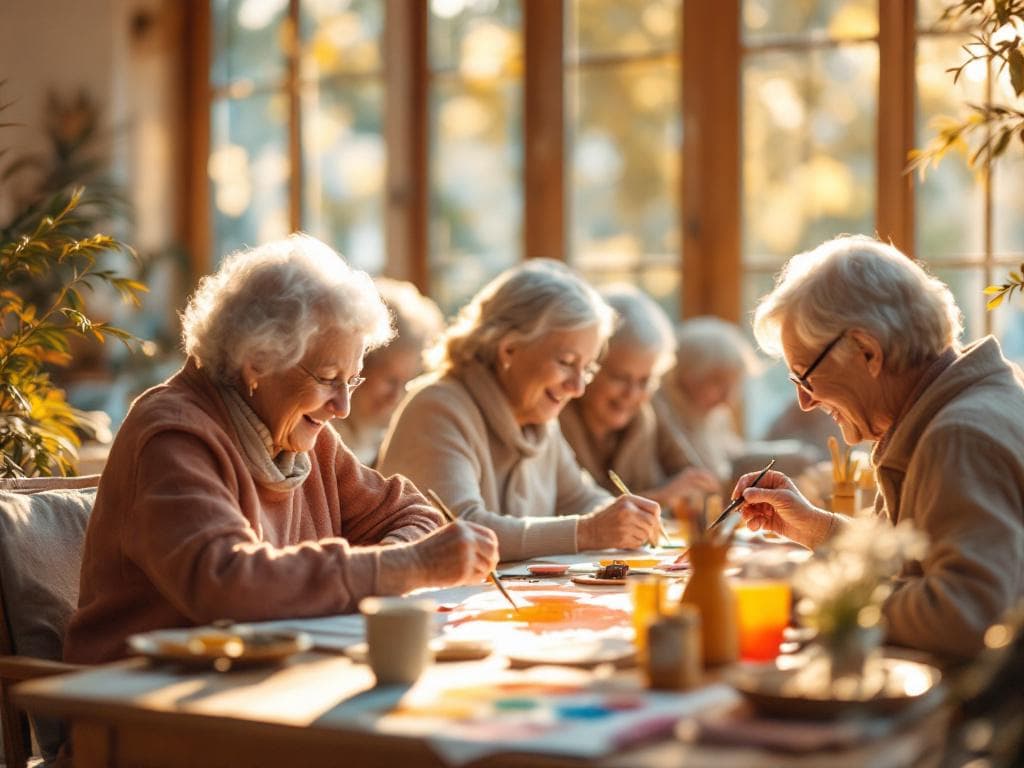
Engaging in art therapy—whether painting, coloring, or crafting—can improve mood and cognitive function. Encourage your loved one to:
- Use warm colors (reds, oranges) for energy-boosting projects.
- Try cool colors (blues, purples) for relaxation and meditation.
- Experiment with color mixing to stimulate the brain and enhance fine motor skills.
Senior Care Companion offers art therapy sessions as part of our holistic care programs. Contact us to learn more about how creative activities can support your loved one’s well-being.
2. Nature and Outdoor Spaces
Exposure to natural colors—like the greens of a garden or the blues of the sky—can reduce stress and improve mood. Even small changes help:
- Place potted plants near windows to bring in calming greens.
- Use colorful bird feeders to attract wildlife and provide visual stimulation.
- Encourage time outdoors in sunlight (which contains the full spectrum of colors) to regulate circadian rhythms.
3. Clothing and Accessories
The colors your loved one wears can influence their mood and confidence. Consider:
- Bright colors (red, yellow) for days when they need a boost of energy.
- Soft pastels (lavender, mint) for a calming effect.
- Contrasting colors in accessories (e.g., a bold scarf or hat) to make outings more enjoyable and easier for others to spot them.
Color Therapy for Specific Senior Needs
Different conditions may benefit from tailored color approaches. Here’s a quick guide:
1. Dementia and Alzheimer’s
Seniors with dementia often struggle with visual perception and spatial awareness. Color can help:
- Avoid black or dark floors, which can appear like holes or obstacles.
- Use red plates to increase food intake and contrast with food colors.
- Paint toilet seats a bright color (e.g., red or blue) to make them easier to locate.
2. Depression and Anxiety
Warm, bright colors can combat low mood, while cool tones can ease anxiety:
- Incorporate yellow or orange in common areas to lift spirits.
- Use lavender or light blue in bedrooms to promote relaxation.
- Encourage colorful hobbies like gardening or knitting to provide a sense of accomplishment.
3. Low Vision or Macular Degeneration
High-contrast colors improve visibility and safety:
- Use black and white for signage or labels.
- Choose bright, solid colors for furniture and decor to reduce visual clutter.
- Avoid patterns or stripes, which can cause confusion.
Implementing Color Therapy: A Step-by-Step Guide for Caregivers
Ready to bring color therapy into your loved one’s life? Follow this simple roadmap:
Step 1: Assess Their Needs
Consider your loved one’s:
- Mood (e.g., anxious, lethargic, agitated).
- Cognitive abilities (e.g., memory, spatial awareness).
- Physical health (e.g., low vision, mobility challenges).
Step 2: Start Small
Introduce color changes gradually to avoid overwhelming them. For example:
- Swap out a throw blanket or pillow in a calming blue.
- Add a red plate to their dining set.
- Use colored tape to mark light switches or door handles.
Step 3: Observe and Adjust
Pay attention to how your loved one responds to the changes. Do they seem more relaxed? More engaged? Adjust colors based on their reactions. Senior Care Companion caregivers can help monitor these subtle shifts and refine the approach.
Step 4: Combine with Other Therapies
Color therapy works best when paired with other holistic practices, such as:
- Music therapy (e.g., playing calming music in a blue-lit room).
- Aromatherapy (e.g., lavender scents with purple decor).
- Light therapy (e.g., full-spectrum lighting to mimic natural sunlight).
Common Mistakes to Avoid in Color Therapy for Seniors
While color therapy is powerful, it’s easy to misapply it. Here’s what to watch out for:
- Overstimulation: Too many bright colors or clashing hues can cause agitation, especially in seniors with dementia. Stick to a cohesive palette.
- Poor Contrast: Low-contrast environments (e.g., white walls with white furniture) can make it hard for seniors to navigate. Use contrasting colors for safety.
- Ignoring Personal Preferences: A color that calms one person might irritate another. Always consider your loved one’s tastes and history with color.
- Neglecting Lighting: Natural light enhances colors, while artificial light can distort them. Test colors in different lighting conditions.
How Senior Care Companion Uses Color Therapy
At Senior Care Companion, we believe in care that nurtures the mind, body, and spirit. Our approach to color therapy includes:
- Personalized Assessments: We evaluate each senior’s needs to create a color plan that supports their well-being.
- Safe and Stimulating Environments: Our caregivers use color to enhance safety, reduce confusion, and promote engagement.
- Holistic Integration: We combine color therapy with other modalities like music, art, and reminiscence therapy for a well-rounded approach.
Whether your loved one needs in-home care, respite support, or specialized dementia care, our team is here to help. Contact us today to learn how we can tailor color therapy to your family’s needs.
Final Thoughts: A Brighter Future with Color
Color therapy is a simple yet transformative tool for enhancing senior well-being. By understanding the emotional and cognitive effects of color, caregivers can create environments that soothe, stimulate, and support their loved ones. Whether it’s a calming blue bedroom, a vibrant red plate, or a high-contrast hallway, every small change can make a big difference.
At Senior Care Companion, we’re committed to helping families navigate the complexities of senior care with empathy and expertise. If you’re ready to explore how color therapy can benefit your loved one, reach out to us—we’re here to guide you every step of the way.
Remember: The right colors don’t just brighten a room—they brighten lives.