Medically reviewed by Dr. Leslie Kernisan, MD, MPH — Board-Certified Geriatrician · last reviewed February 6, 2026
The Ultimate Guide to Engaging Activities for Seniors: Tailored Ideas for Every Ability and Interest
Discover 20+ engaging activities for seniors tailored to all abilities, from physical exercises to dementia-friendly options. Boost mental well-being, prevent isolation, and enhance happiness with these expert-backed ideas.
The Importance of Engaging Activities for Seniors
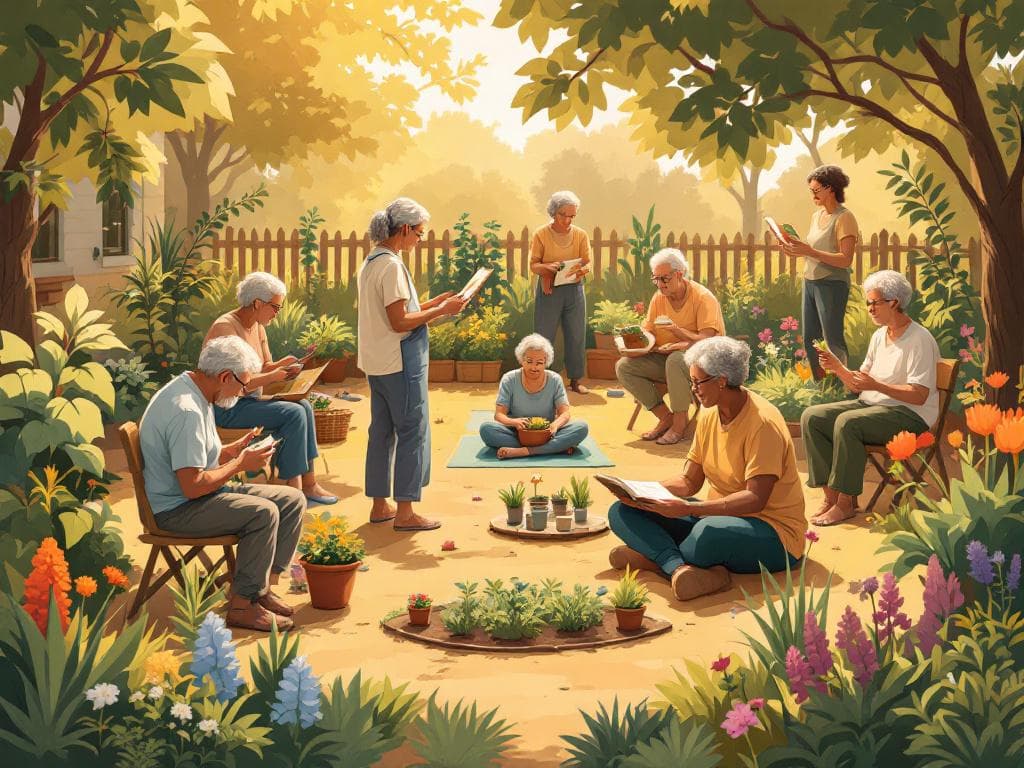
Staying active—physically, mentally, and socially—is key to senior health and happiness. Engaging activities for seniors not only enhance mental well-being but also combat loneliness, improve mobility, and foster a sense of purpose. Whether you're a caregiver, family member, or senior companion, this guide offers tailored ideas to suit every ability and interest.
Research shows that seniors who participate in regular activities experience:
- Reduced risk of depression and anxiety
- Improved cognitive function and memory
- Better physical health and mobility
- Stronger social connections and reduced isolation
Below, we’ll explore a variety of activities, their benefits, and how to adapt them for different needs—including dementia-friendly and low-mobility options.
Physical Activities for Elderly: Gentle Movement for Strength and Joy
Physical activity is crucial for maintaining mobility, balance, and overall health. However, it’s important to choose exercises that are safe and enjoyable. Here are some senior-friendly physical activities with step-by-step instructions and adaptations.
1. Chair Yoga: Stretch and Relax
Benefits: Improves flexibility, reduces stress, and enhances circulation—all while seated.
How to Do It:
- Sit tall in a sturdy chair with feet flat on the floor.
- Inhale deeply, raising arms overhead. Exhale as you lower them.
- Gently twist your torso to each side, holding for 5 seconds.
- Extend one leg at a time, flexing the foot to stretch the calf.
- Repeat for 10–15 minutes daily.
Adaptations:
- For limited mobility, focus on gentle arm movements and deep breathing.
- For cognitive challenges, use verbal cues and demonstrate each pose.
Safety Tip: Ensure the chair has armrests for support and avoid overstretching.
2. Walking Clubs: Socialize While Staying Active
Benefits: Boosts cardiovascular health, encourages social engagement, and provides fresh air.
How to Do It:
- Find a safe, flat walking path (e.g., a park or mall).
- Start with 10-minute walks, gradually increasing to 30 minutes.
- Invite friends, neighbors, or a companion care provider to join.
- Use a walker or cane if needed for stability.
Adaptations:
- For wheelchair users, opt for paved trails and push at a comfortable pace.
- For memory care, walk familiar routes to reduce confusion.
Testimonial: "My mom’s walking group became her favorite part of the week. She’s more energetic and even remembers names better!" — Linda, caregiver
Mental Stimulation: Fun Activities for Seniors to Keep Minds Sharp
Cognitive engagement is just as important as physical activity. These fun activities for seniors challenge the brain while being enjoyable.
3. Puzzle Time: Jigsaw, Crosswords, and More
Benefits: Enhances memory, problem-solving skills, and hand-eye coordination.
How to Do It:
- Choose a puzzle with large pieces (e.g., 100–300 pieces for jigsaws).
- Sort pieces by color or edge pieces first.
- Work in short sessions (15–30 minutes) to avoid frustration.
- Celebrate small victories (e.g., completing a section).
Adaptations:
- For dementia-friendly options, use puzzles with familiar images (e.g., landscapes, animals).
- For low vision, try tactile puzzles or large-print crosswords.
Safety Tip: Ensure puzzles are age-appropriate to avoid small, choking-hazard pieces.
4. Storytelling and Reminiscence Therapy
Benefits: Strengthens memory, boosts mood, and fosters emotional connections.
How to Do It:
- Gather old photos, music, or keepsakes to spark memories.
- Ask open-ended questions (e.g., "What was your favorite childhood game?").
- Record stories in a journal or audio format to share with family.
- For group settings, use prompts like "Tell us about your first job."
Adaptations:
- For advanced dementia, focus on sensory triggers (e.g., playing a song from their youth).
- For non-verbal seniors, use picture cards or gestures.
Testimonial: "Reminiscing with my dad about his army days brought us closer. He lit up talking about his old friends." — Mark, son of a veteran
Social Engagement: Combating Isolation with Connection
Loneliness is a major concern for seniors, but social engagement can significantly improve senior mental well-being. Here are ideas to foster connection.
5. Book Clubs for Seniors: Read and Discuss
Benefits: Encourages critical thinking, provides a sense of community, and reduces isolation.
How to Do It:
- Choose a book with large print or an audiobook option.
- Meet weekly or monthly to discuss chapters.
- Include snacks and a cozy atmosphere to make it enjoyable.
- Invite a companion care provider to facilitate if needed.
Adaptations:
- For memory care, use short stories or poetry.
- For hearing impairments, provide written summaries of discussions.
6. Intergenerational Activities: Bridging the Age Gap
Benefits: Builds empathy, creates joy, and strengthens family bonds.
How to Do It:
- Pair seniors with grandchildren or local youth groups.
- Plan activities like baking, gardening, or crafting together.
- Encourage storytelling (e.g., "Tell me about your school days").
- Use technology (e.g., video calls) if in-person visits aren’t possible.
Adaptations:
- For shy seniors, start with one-on-one interactions.
- For children with short attention spans, keep activities brief and fun.
Testimonial: "My grandkids love when Grandpa teaches them chess. It’s our special time together." — Susan, grandmother
Creative Outlets: Art, Music, and More
Creative activities boost senior health and happiness by providing an emotional outlet and a sense of accomplishment.
7. Painting or Coloring: Unleash Creativity
Benefits: Reduces stress, improves fine motor skills, and encourages self-expression.
How to Do It:
- Use large-grip brushes or adult coloring books with bold lines.
- Play calming music in the background.
- Focus on the process, not perfection.
- Display finished artwork to boost confidence.
Adaptations:
- For arthritis, use adaptive tools like easy-grip pencils.
- For dementia, try finger painting or guided coloring.
8. Music Therapy: Sing-Alongs and Instrument Play
Benefits: Evokes memories, improves mood, and enhances cognitive function.
How to Do It:
- Play familiar songs from their youth (e.g., Frank Sinatra, Elvis).
- Encourage singing along or clapping to the beat.
- Introduce simple instruments (e.g., tambourines, maracas).
- Record sessions to share with family.
Adaptations:
- For hearing impairments, use visual cues (e.g., lyrics on a screen).
- For advanced dementia, focus on rhythm and sensory stimulation.
Seasonal and Holiday-Themed Activities
Celebrating seasons and holidays adds excitement and variety to a senior’s routine. Here are festive ideas for every time of year.
Spring: Gardening and Nature Walks
How to Do It:
- Plant herbs or flowers in raised beds or containers for easy access.
- Visit botanical gardens or parks to enjoy blooming scenery.
- Create a "sensory garden" with fragrant plants (e.g., lavender, mint).
Summer: Outdoor Concerts and Picnics
How to Do It:
- Attend free local concerts or movie nights in the park.
- Pack a picnic with favorite foods and enjoy a shaded spot.
- Invite family or friends to join for a social outing.
Fall: Crafting and Baking
How to Do It:
- Make autumn wreaths with artificial leaves and ribbons.
- Bake seasonal treats like apple crisp or pumpkin bread.
- Host a "gratitude circle" where everyone shares what they’re thankful for.
Winter: Holiday Decorating and Storytelling
How to Do It:
- Decorate a small tree or mantle with ornaments and lights.
- Read holiday stories or watch classic films (e.g., It’s a Wonderful Life).
- Write and send holiday cards to loved ones.
The Role of Companion Care in Facilitating Activities
Companion care for seniors plays a vital role in making activities accessible, enjoyable, and safe. Here’s how:
- Personalization: Companions tailor activities to the senior’s interests and abilities.
- Encouragement: They provide motivation and celebrate small achievements.
- Safety: Companions ensure activities are conducted safely, with proper supervision.
- Social Bridge: They facilitate connections with others, reducing isolation.
Testimonial: "Our companion, Maria, turned my mom’s afternoons around. She plans activities my mom loves, like baking and music. It’s a game-changer." — David, son of a senior client
Safety Tips for All Activities
Prioritizing safety ensures seniors can enjoy activities without risk. Follow these guidelines:
- Consult a Doctor: Check with a healthcare provider before starting new physical activities.
- Stay Hydrated: Offer water regularly, especially during physical or outdoor activities.
- Use Adaptive Tools: Provide grips, non-slip mats, or raised surfaces as needed.
- Monitor for Fatigue: Watch for signs of tiredness and take breaks.
- Clear Pathways: Remove tripping hazards (e.g., rugs, cords) from activity areas.
Personalizing Activities: A Step-by-Step Guide
Every senior is unique, so personalizing activities maximizes engagement. Here’s how:
- Assess Interests: Ask about hobbies, past careers, or favorite memories.
- Consider Abilities: Adapt activities for mobility, vision, or cognitive levels.
- Start Small: Introduce one new activity at a time to avoid overwhelm.
- Incorporate Familiarity: Use favorite songs, foods, or topics to spark joy.
- Encourage Choice: Let the senior pick between two options (e.g., "Would you like to garden or paint today?").
Final Thoughts: Activities as a Path to Joy
Engaging activities for seniors are more than just pastimes—they’re pathways to health, happiness, and connection. By tailoring ideas to individual needs, prioritizing safety, and leveraging companion care, you can create meaningful experiences that enrich a senior’s life.
Start with one or two activities from this guide and observe the positive changes in mood, energy, and social engagement. Whether it’s a lively music session or a quiet afternoon of puzzles, every moment of engagement counts.
Ready to get started? Pick an activity today and make it a regular part of your senior’s routine. For personalized support, consider companion care services to help facilitate these enriching experiences.
```