Medically reviewed by Dr. Leslie Kernisan, MD, MPH — Board-Certified Geriatrician · last reviewed April 3, 2026
Brightening Winter Days: How Light Therapy Helps Seniors Manage Seasonal Affective Disorder (SAD)
Discover how light therapy can ease Seasonal Affective Disorder (SAD) in seniors, with expert tips and practical advice for families.
Understanding Seasonal Affective Disorder (SAD) in Seniors
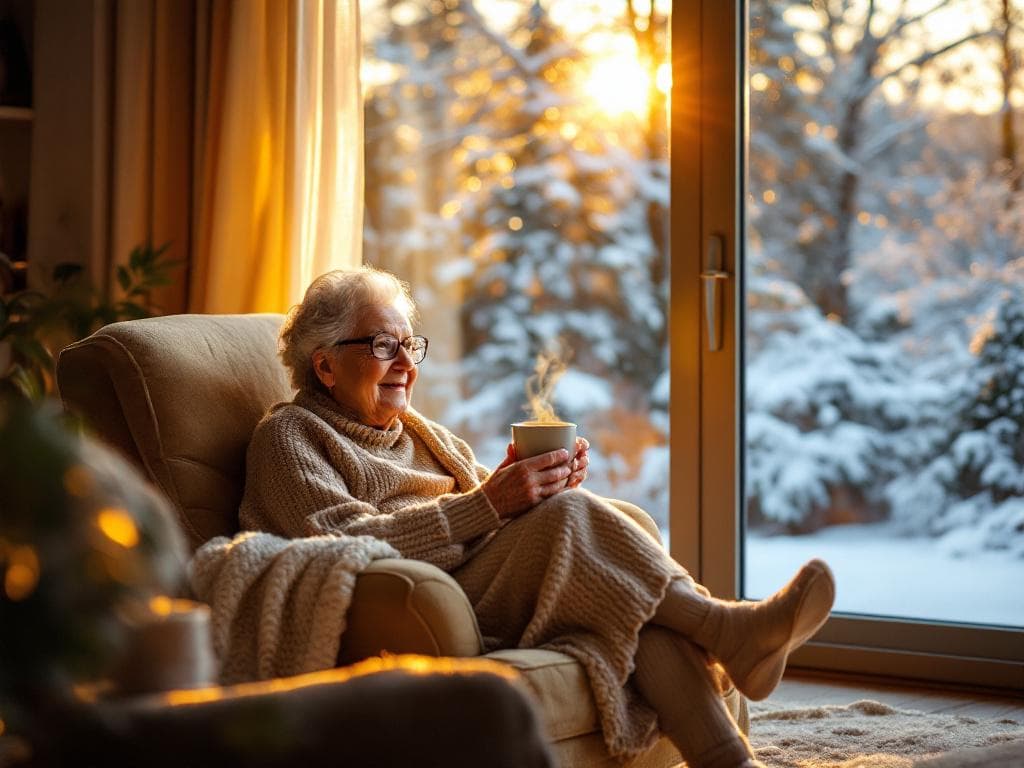
As the days grow shorter and sunlight becomes scarce, many seniors experience a noticeable shift in mood and energy. This change may be more than just the "winter blues"—it could be Seasonal Affective Disorder (SAD), a type of depression that occurs during specific seasons, most commonly in fall and winter. For older adults, SAD can be particularly challenging, as it may worsen existing health conditions, reduce mobility, and increase feelings of isolation.
At Senior Care Companion, we understand the unique needs of seniors and their families. Our goal is to provide compassionate, informed care that enhances well-being year-round. In this guide, we’ll explore the role of light therapy in managing Seasonal Affective Disorder (SAD) for seniors, offering practical advice to help your loved one thrive, even during the darkest months.
What Is Seasonal Affective Disorder (SAD)?
SAD is a form of depression linked to changes in seasons. While it can occur in spring or summer, the most common type—winter-pattern SAD—begins in late fall and lasts through winter. Symptoms often include:
- Persistent low mood or sadness
- Loss of interest in activities once enjoyed
- Fatigue and low energy, even with adequate sleep
- Increased sleep or difficulty waking up
- Changes in appetite, particularly cravings for carbohydrates
- Difficulty concentrating or making decisions
- Feelings of hopelessness or worthlessness
For seniors, these symptoms can be especially concerning, as they may overlap with other age-related health issues, such as chronic pain, cognitive decline, or medication side effects. Recognizing SAD early is key to managing it effectively.
Why Are Seniors More Vulnerable to SAD?
Several factors make older adults more susceptible to Seasonal Affective Disorder:
- Reduced Sunlight Exposure: Many seniors spend more time indoors due to mobility limitations, health concerns, or lack of access to safe outdoor spaces. This reduces their exposure to natural light, which is crucial for regulating mood and circadian rhythms.
- Changes in Brain Chemistry: Aging can affect the production of serotonin and melatonin—hormones that influence mood and sleep. Reduced sunlight disrupts these hormones further, increasing the risk of depression.
- Social Isolation: Winter weather can limit social interactions, leading to loneliness and worsening depressive symptoms. Seniors who live alone or have limited family contact are particularly vulnerable.
- Chronic Health Conditions: Conditions like arthritis, diabetes, or heart disease can make it harder for seniors to stay active or engage in outdoor activities, compounding the effects of SAD.
If your loved one is experiencing symptoms of SAD, it’s important to consult a healthcare provider. Early intervention, including light therapy for seniors with Seasonal Affective Disorder, can make a significant difference in their quality of life.
How Light Therapy Works for Seniors with SAD
Light therapy, also known as phototherapy, is one of the most effective treatments for Seasonal Affective Disorder (SAD). It involves exposure to a bright light that mimics natural sunlight, helping to regulate mood and sleep patterns. For seniors, this non-invasive treatment can be a game-changer, especially when other interventions (like medication or outdoor activity) are limited.
The Science Behind Light Therapy
Light therapy works by stimulating the brain’s production of serotonin, a neurotransmitter that boosts mood and energy. It also helps regulate melatonin, the hormone responsible for sleep. Here’s how it benefits seniors with SAD:
- Boosts Serotonin Levels: Exposure to bright light increases serotonin production, which can alleviate depressive symptoms and improve overall well-being.
- Regulates Circadian Rhythms: Seniors often experience disrupted sleep patterns due to aging or health conditions. Light therapy helps reset the body’s internal clock, promoting better sleep and daytime alertness.
- Reduces Fatigue: Many seniors with SAD struggle with low energy. Light therapy can help combat this fatigue, making it easier to stay active and engaged.
- Non-Invasive and Drug-Free: Unlike antidepressants, which may have side effects or interact with other medications, light therapy is a safe, natural option for most seniors.
Types of Light Therapy Devices
Not all light therapy devices are created equal. When choosing a light box for your loved one, consider the following:
- Brightness: Look for a light box that emits 10,000 lux, the standard intensity for effective SAD treatment. Lower-intensity lights may require longer sessions to achieve the same results.
- UV-Free: Ensure the device filters out harmful UV rays to protect your loved one’s skin and eyes.
- Size and Portability: A compact, lightweight light box is ideal for seniors who may need to move it between rooms or take it on trips.
- Ease of Use: Choose a device with simple controls and a clear user manual. Some models come with timers or adjustable brightness settings for added convenience.
At Senior Care Companion, we recommend consulting with a healthcare provider before starting light therapy to ensure it’s the right fit for your loved one’s needs.
Practical Tips for Using Light Therapy with Seniors
Introducing light therapy for seniors with Seasonal Affective Disorder requires a thoughtful approach. Here are some practical tips to help your loved one get the most out of their light therapy sessions:
1. Start with Short Sessions
For seniors new to light therapy, it’s best to start with 10-15 minute sessions at a lower intensity (e.g., 5,000 lux). Gradually increase the duration and brightness as they become more comfortable. This helps prevent side effects like eye strain or headaches.
2. Timing Matters
The best time for light therapy is within the first hour of waking up. This helps regulate the body’s circadian rhythm and sets a positive tone for the day. Avoid evening sessions, as they may interfere with sleep.
3. Create a Comfortable Routine
Encourage your loved one to pair light therapy with a relaxing morning activity, such as:
- Reading a book or newspaper
- Listening to calming music or a podcast
- Enjoying a warm cup of tea or coffee
- Gentle stretching or chair yoga
This makes the experience more enjoyable and reinforces a healthy morning routine.
4. Monitor for Side Effects
While light therapy is generally safe, some seniors may experience mild side effects, such as:
- Eye strain or dryness
- Headaches
- Irritability or agitation
If these occur, reduce the session length or brightness and consult a healthcare provider. It’s also important to ensure the light box is positioned at eye level, about 16-24 inches away from the face, to minimize discomfort.
5. Combine with Other SAD Management Strategies
Light therapy is most effective when used alongside other Seasonal Affective Disorder management techniques, such as:
- Regular Exercise: Encourage gentle activities like walking, swimming, or tai chi to boost mood and energy.
- Social Engagement: Schedule regular visits, phone calls, or video chats with family and friends to combat isolation.
- Healthy Diet: A balanced diet rich in omega-3 fatty acids, vitamin D, and whole grains can support brain health and mood regulation.
- Outdoor Time: Even short walks in natural light can complement light therapy and improve overall well-being.
When to Seek Professional Help
While light therapy for seniors with Seasonal Affective Disorder can be highly effective, it’s not a one-size-fits-all solution. If your loved one’s symptoms persist or worsen, it may be time to seek professional help. Signs that additional support is needed include:
- Severe depression or suicidal thoughts
- Inability to perform daily activities
- Worsening of chronic health conditions
- No improvement after 2-4 weeks of light therapy
A healthcare provider may recommend a combination of treatments, such as:
- Cognitive Behavioral Therapy (CBT) adapted for SAD
- Antidepressant medication
- Vitamin D supplements (many seniors are deficient, which can worsen SAD symptoms)
- Increased social support or senior care services
At Senior Care Companion, our caregivers are trained to recognize the signs of SAD and provide compassionate support tailored to your loved one’s needs. Whether it’s assisting with light therapy sessions, encouraging outdoor activities, or simply offering a listening ear, we’re here to help.
Success Stories: Light Therapy in Action
Hearing how others have benefited from light therapy for seniors with Seasonal Affective Disorder can be inspiring. Here are a few real-life examples of how this treatment has made a difference:
Case Study 1: Margaret’s Renewed Energy
Margaret, an 82-year-old widow, struggled with fatigue and low mood every winter. After starting light therapy, she noticed a significant improvement in her energy levels within two weeks. She now enjoys morning light sessions while reading her favorite books and has even resumed her weekly bridge club meetings.
Case Study 2: Robert’s Improved Sleep
Robert, a 75-year-old with Parkinson’s disease, had difficulty sleeping through the night. His doctor recommended light therapy to regulate his circadian rhythm. After a few weeks, Robert’s sleep improved, and he felt more alert during the day. His family also noticed a positive shift in his mood.
Case Study 3: Eleanor’s Social Re-Engagement
Eleanor, a 88-year-old living in an assisted living facility, became increasingly withdrawn during the winter months. With the help of light therapy and encouragement from her Senior Care Companion caregiver, she began participating in group activities again. Her family was thrilled to see her smile return.
These stories highlight the transformative power of light therapy when combined with personalized care and support.
Choosing the Right Light Therapy Device for Your Loved One
With so many light therapy devices on the market, selecting the right one can feel overwhelming. Here’s a quick guide to help you make an informed choice:
Top Light Therapy Devices for Seniors
- Verilux HappyLight: A popular, affordable option with 10,000 lux brightness and UV-free light. It’s lightweight and easy to use, making it ideal for seniors.
- Carex Day-Light Classic: This device offers adjustable brightness and a large surface area for optimal light exposure. It’s a great choice for seniors who prefer longer sessions.
- Northern Light Technologies Boxelite: Known for its high-quality construction and even light distribution, this device is perfect for seniors who want a premium option.
- Philips Wake-Up Light: This innovative device combines light therapy with a sunrise simulation alarm, helping seniors wake up gently and naturally.
What to Avoid
When shopping for a light therapy device, steer clear of:
- Devices that emit UV light (these can harm the skin and eyes).
- Unregulated or cheaply made products (look for FDA-cleared or clinically tested options).
- Devices with overly complex controls (seniors may find them difficult to use).
If you’re unsure which device is best for your loved one, consult their healthcare provider or reach out to Senior Care Companion for personalized recommendations.
Final Thoughts: Bringing Light into Your Loved One’s Life
Winter can be a challenging time for seniors, but light therapy for Seasonal Affective Disorder (SAD) offers a simple, effective way to brighten their days—literally and figuratively. By understanding the science behind light therapy, choosing the right device, and incorporating it into a holistic care plan, you can help your loved one manage SAD symptoms and enjoy a higher quality of life.
At Senior Care Companion, we’re committed to supporting seniors and their families through every season. Whether your loved one needs assistance with light therapy, companionship, or daily activities, our compassionate caregivers are here to help. Contact us today to learn more about our senior care services and how we can make a difference in your loved one’s life.
Remember, small steps—like adding a light therapy session to your loved one’s morning routine—can lead to big improvements in their mood, energy, and overall well-being. Let’s make this winter a brighter one together.