Medically reviewed by Dr. Leslie Kernisan, MD, MPH — Board-Certified Geriatrician · last reviewed April 11, 2026
The Role of Massage Therapy in Managing Chronic Pain for Seniors: A Complete Guide
Discover how massage therapy helps seniors manage chronic pain naturally. Learn types, benefits, and tips for safe, effective care.
The Growing Need for Chronic Pain Management in Seniors
Chronic pain affects nearly 50% of seniors over the age of 65, making it one of the most common health challenges in aging populations. Conditions like arthritis, neuropathy, and back pain can significantly reduce mobility, independence, and overall quality of life. While medications are often the first line of defense, they come with risks—especially for older adults who may already be managing multiple prescriptions.
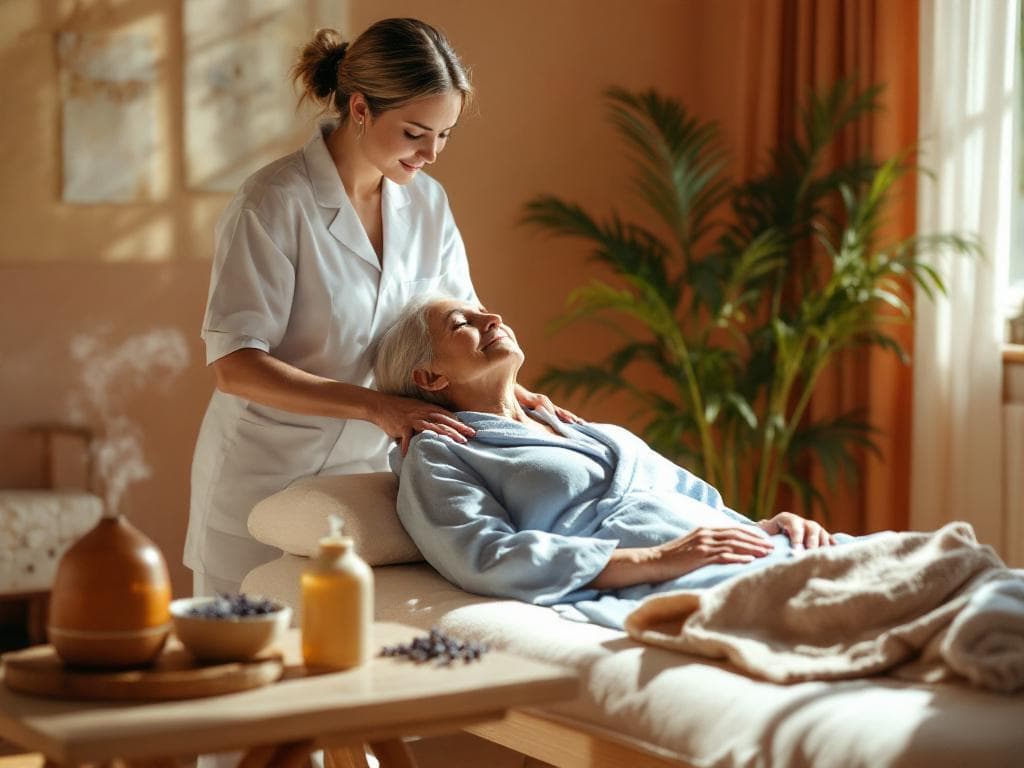
This is where the role of massage therapy in managing chronic pain for seniors becomes invaluable. As a non-invasive, drug-free approach, massage offers a gentle yet effective way to alleviate discomfort, improve circulation, and enhance emotional well-being. At Senior Care Companion, we’ve seen firsthand how tailored massage therapy can transform the lives of seniors struggling with persistent pain.
How Massage Therapy Helps Seniors with Chronic Pain
Massage therapy isn’t just about relaxation—it’s a powerful tool for pain management, mobility, and healing. Here’s how it works for seniors:
1. Reduces Muscle Tension and Stiffness
Aging often leads to muscle tightness, especially in areas like the shoulders, neck, and lower back. Massage helps by:
- Breaking up adhesions (knots) in muscle fibers
- Improving flexibility and range of motion
- Reducing stiffness caused by conditions like osteoarthritis
For seniors with limited mobility, even a short session can make daily activities like dressing or walking easier.
2. Boosts Circulation and Reduces Inflammation
Poor circulation is a common issue in older adults, contributing to pain and slow healing. Massage therapy:
- Stimulates blood flow to sore or damaged tissues
- Helps flush out toxins and reduce swelling
- Promotes oxygen and nutrient delivery to muscles and joints
This is particularly beneficial for seniors with diabetes-related neuropathy or peripheral artery disease, where improved circulation can ease numbness and discomfort.
3. Triggers the Release of Natural Painkillers
The body produces its own pain-relieving chemicals, like endorphins and serotonin, in response to massage. These hormones:
- Block pain signals to the brain
- Lower stress and anxiety levels
- Improve mood and sleep quality
For seniors dealing with chronic pain and depression, this natural boost can be life-changing.
4. Enhances Joint Mobility and Function
Conditions like rheumatoid arthritis and osteoarthritis can make joints stiff and painful. Gentle massage techniques, such as Swedish massage or myofascial release, help by:
- Lubricating joints with synovial fluid
- Reducing friction between bones
- Improving posture and balance
At Senior Care Companion, our trained therapists use specialized techniques to target joint pain without causing further discomfort.
Types of Massage Therapy Best Suited for Seniors
Not all massage techniques are created equal—especially for older adults. Here are the most effective types for managing chronic pain in seniors:
1. Swedish Massage
Best for: General relaxation, muscle tension, and mild to moderate pain.
This gentle, full-body massage uses long strokes, kneading, and circular movements to:
- Improve circulation
- Ease muscle stiffness
- Promote deep relaxation
It’s ideal for seniors new to massage or those with sensitive skin.
2. Deep Tissue Massage
Best for: Chronic muscle pain, postural issues, and deep-seated tension.
While more intense than Swedish massage, deep tissue therapy targets the inner layers of muscle and connective tissue. It’s particularly helpful for:
- Lower back pain
- Neck and shoulder tension
- Repetitive strain injuries
Note: Seniors with osteoporosis or fragile bones should opt for lighter pressure to avoid injury.
3. Myofascial Release
Best for: Fibromyalgia, sciatica, and restricted mobility.
This technique focuses on releasing tension in the fascia (the connective tissue surrounding muscles). It’s highly effective for:
- Reducing nerve-related pain
- Improving flexibility
- Alleviating chronic headaches
At Senior Care Companion, our therapists often combine myofascial release with other techniques for a holistic approach.
4. Reflexology
Best for: Foot pain, neuropathy, and stress relief.
Reflexology applies pressure to specific points on the feet, hands, and ears that correspond to different organs and systems. Benefits include:
- Reducing foot and ankle pain
- Improving sleep
- Enhancing overall relaxation
It’s a great option for seniors who prefer seated or non-invasive treatments.
5. Chair Massage
Best for: Seniors with limited mobility or those who prefer shorter sessions.
Performed while the senior sits in a specially designed chair, this technique focuses on the back, neck, and shoulders. It’s:
- Quick (15–30 minutes)
- Non-invasive
- Ideal for seniors who can’t lie down for long periods
Many of our clients at Senior Care Companion enjoy chair massages during social events or in-home care visits.
What to Expect During a Senior-Friendly Massage Session
If you’re considering massage therapy for a loved one, here’s what to expect to ensure a safe and comfortable experience:
1. Pre-Massage Consultation
A reputable therapist will start with a health assessment to:
- Review medical history (e.g., heart conditions, blood thinners)
- Discuss current pain levels and goals
- Identify areas of concern (e.g., surgical scars, varicose veins)
At Senior Care Companion, our therapists are trained to adapt sessions based on individual needs, ensuring safety and effectiveness.
2. Customized Pressure and Techniques
Seniors often require lighter pressure than younger adults. A skilled therapist will:
- Use slow, controlled movements
- Avoid deep pressure on fragile bones or joints
- Incorporate stretching and range-of-motion exercises
Communication is key—encourage your loved one to speak up if any technique feels uncomfortable.
3. Post-Massage Care
After the session, seniors may experience:
- Mild soreness (similar to post-exercise)
- Increased relaxation or energy
- Improved sleep quality
To maximize benefits, recommend:
- Drinking plenty of water to flush out toxins
- Avoiding strenuous activity for 24 hours
- Applying heat or ice to sore areas if needed
How to Choose a Qualified Massage Therapist for Seniors
Not all massage therapists are trained to work with older adults. Here’s how to find the right professional:
1. Look for Specialized Training
Seek therapists with certifications in:
- Geriatric massage (e.g., from the American Massage Therapy Association)
- Medical massage (for chronic conditions)
- Lymphatic drainage (for swelling or lymphedema)
Senior Care Companion partners with licensed therapists who specialize in senior care, ensuring your loved one receives expert attention.
2. Check Reviews and References
Ask for recommendations from:
- Primary care physicians
- Physical therapists
- Local senior centers or support groups
Online reviews can also provide insight into a therapist’s approach and bedside manner.
3. Schedule a Trial Session
Before committing to regular sessions, book a short trial massage to:
- Assess the therapist’s communication style
- Ensure the pressure and techniques are comfortable
- Evaluate the cleanliness and accessibility of the space
Many therapists, including those at Senior Care Companion, offer in-home services for added convenience.
Integrating Massage Therapy into a Senior’s Care Plan
For long-term pain management, massage therapy works best as part of a comprehensive care plan. Here’s how to integrate it effectively:
1. Combine with Physical Therapy
Massage and physical therapy complement each other by:
- Reducing muscle tension before exercises
- Improving flexibility and strength
- Speeding up recovery after injuries
Ask your loved one’s physical therapist for recommendations on how to pair the two.
2. Pair with Medication Management
While massage can reduce reliance on painkillers, it’s important to:
- Consult a doctor before adjusting medications
- Monitor pain levels to track progress
- Use massage as a supplement, not a replacement, for prescribed treatments
Senior Care Companion works closely with healthcare providers to ensure massage therapy aligns with existing treatment plans.
3. Incorporate into Daily Routines
Simple self-massage techniques can extend the benefits between professional sessions:
- Hand massage: Use lotion to gently rub fingers and palms for arthritis relief.
- Foot soaks: Combine warm water with Epsom salts to ease foot pain.
- Gentle stretching: Encourage slow, controlled movements to maintain mobility.
Our caregivers at Senior Care Companion often teach families these techniques to use at home.
Addressing Common Concerns About Massage for Seniors
Despite its benefits, some families hesitate to try massage therapy for seniors. Here are answers to common concerns:
1. “Is massage safe for seniors with health conditions?”
Yes—with proper precautions. For example:
- Heart conditions: Avoid deep pressure or vigorous techniques.
- Blood thinners: Use lighter pressure to prevent bruising.
- Osteoporosis: Opt for gentle, non-weight-bearing techniques.
Always disclose health conditions to the therapist beforehand.
2. “Will my loved one feel uncomfortable?”
Seniors may worry about:
- Undressing: Therapists can work over clothing or use draping techniques.
- Pain: A skilled therapist will adjust pressure to avoid discomfort.
- Embarrassment: Chair massages or in-home sessions can feel more private.
At Senior Care Companion, we prioritize comfort and dignity in every session.
3. “Is massage therapy covered by insurance?”
Coverage varies, but some options include:
- Medicare: May cover massage if prescribed as part of physical therapy.
- Private insurance: Some plans include massage for chronic pain management.
- Flexible spending accounts (FSAs): Often reimburse massage therapy.
Check with your provider or ask Senior Care Companion for assistance with insurance questions.
Success Stories: How Massage Therapy Transformed Lives
Real-life examples show the profound impact of massage on seniors’ well-being:
Case Study 1: Easing Arthritis Pain
Client: Margaret, 78, with severe osteoarthritis in her hands.
Solution: Weekly Swedish massage combined with hand reflexology.
Result: After 6 weeks, Margaret regained grip strength and reduced her reliance on pain medication by 30%.
Case Study 2: Improving Mobility After a Fall
Client: Robert, 82, recovering from a hip fracture.
Solution: Myofascial release and gentle stretching sessions.
Result: Robert’s range of motion improved by 50%, allowing him to walk with a cane instead of a walker.
Case Study 3: Managing Neuropathy Discomfort
Client: Eleanor, 75, with diabetic neuropathy in her feet.
Solution: Reflexology and lymphatic drainage.
Result: Eleanor experienced reduced numbness and better sleep within 4 weeks.
These stories highlight how the role of massage therapy in managing chronic pain for seniors goes beyond physical relief—it restores independence and joy.
Final Thoughts: Embracing Massage Therapy for Senior Well-Being
Chronic pain doesn’t have to be an inevitable part of aging. With the right approach, massage therapy can:
- Reduce pain and stiffness naturally
- Improve mobility and quality of life
- Enhance emotional well-being
At Senior Care Companion, we’re committed to helping seniors live comfortably and actively. Whether through in-home sessions, caregiver training, or referrals to trusted therapists, we’re here to support your family’s journey toward pain-free living.
Ready to explore massage therapy for your loved one? Contact us today to learn how we can tailor a plan to their unique needs.
```