Medically reviewed by Dr. Leslie Kernisan, MD, MPH — Board-Certified Geriatrician · last reviewed December 5, 2025
How to Create a Safe and Comfortable Home Environment for Aging Parents
Discover practical tips to transform your aging parent’s home into a safe, comfortable, and accessible space. Learn room-by-room modifications, emotional well-being strategies, and when to seek professional help for senior care.
Introduction: Why Home Safety Matters for Seniors
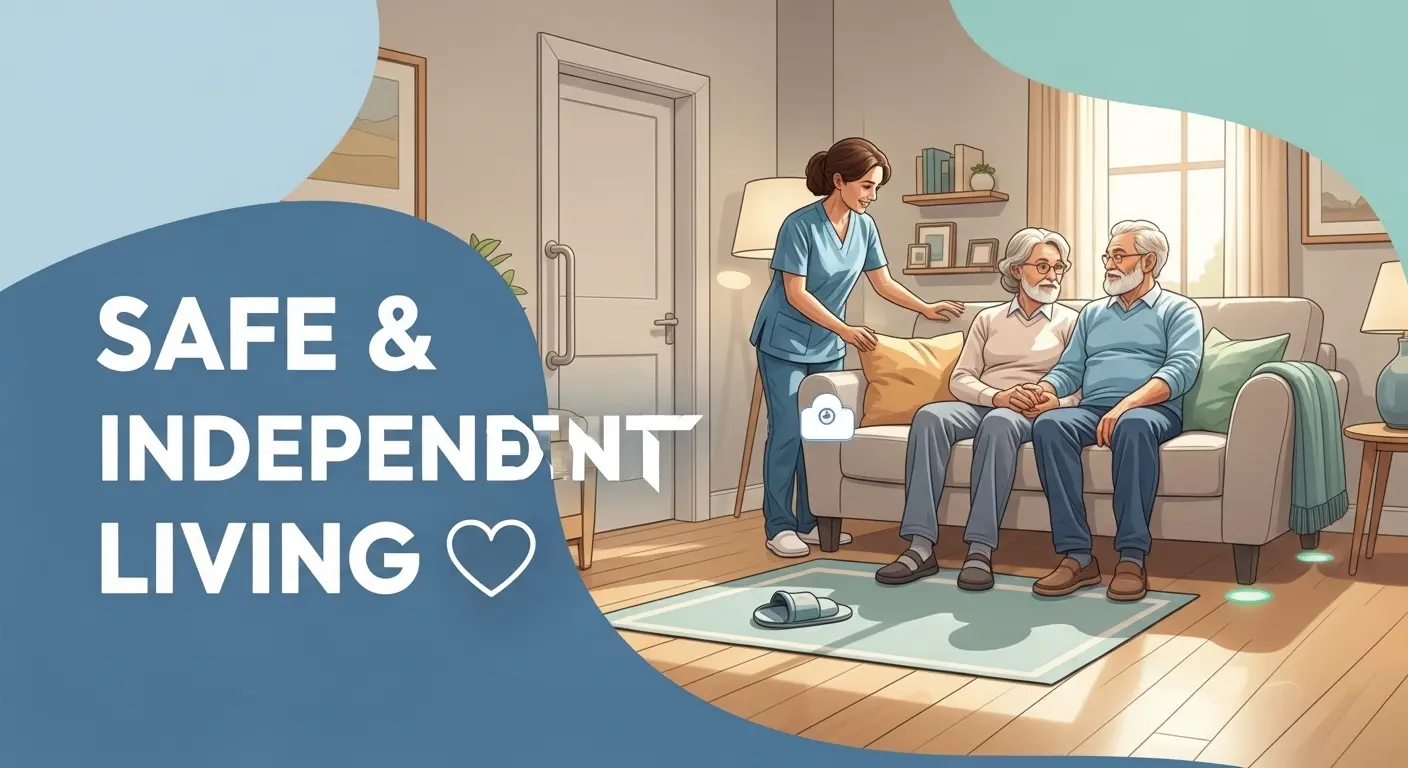
As our parents age, their needs change—and so should their living environment. A safe, comfortable home can significantly reduce the risk of falls, injuries, and stress for both seniors and their caregivers. At Senior Care Companion, we understand that creating a senior-friendly home isn’t just about adding grab bars or removing tripping hazards; it’s about fostering independence, dignity, and peace of mind.
In this guide, we’ll walk you through practical steps to modify your aging parent’s home for safety, comfort, and accessibility. Whether you’re preparing for a loved one’s return from the hospital or simply want to proactively enhance their living space, these tips will help you create a nurturing environment where they can thrive.
Understanding the Risks: Common Home Hazards for Seniors
Before making changes, it’s essential to identify potential hazards in your parent’s home. According to the Centers for Disease Control and Prevention (CDC), falls are the leading cause of injury among adults aged 65 and older, with one in four seniors experiencing a fall each year. Many of these falls occur at home due to:
- Poor lighting: Dimly lit hallways, staircases, and bathrooms increase the risk of missteps.
- Slippery surfaces: Wet floors, loose rugs, and polished hardwood can lead to slips and falls.
- Clutter and obstacles: Piles of magazines, electrical cords, or furniture in walkways create tripping hazards.
- Lack of support: Missing handrails on stairs or in bathrooms can make it difficult for seniors to maintain balance.
- Inaccessible storage: High shelves or deep cabinets force seniors to stretch or climb, increasing the risk of injury.
- Unsafe bathroom design: Slippery tubs, lack of grab bars, and high thresholds can make bathing dangerous.
By addressing these hazards, you can create a safer home environment that supports your parent’s independence and well-being.
Room-by-Room Safety Checklist
Transforming a home for senior safety doesn’t have to be overwhelming. Start by assessing each room and making targeted improvements. Below is a detailed checklist to guide you through the process.
1. Entryways and Hallways
Entryways and hallways are high-traffic areas that require special attention. Here’s how to make them safer:
- Improve lighting: Install bright, energy-efficient LED bulbs in all light fixtures. Add motion-sensor lights near entryways and along hallways to ensure visibility at night.
- Remove tripping hazards: Secure or remove loose rugs and mats. If rugs are necessary, use non-slip pads or double-sided tape to keep them in place.
- Widen pathways: Rearrange furniture to create clear, unobstructed walkways that are at least 36 inches wide. This accommodates walkers or wheelchairs if needed.
- Install handrails: Add sturdy handrails on both sides of staircases and along long hallways. Ensure they are securely mounted to the wall.
- Non-slip flooring: If possible, replace slippery flooring with textured or non-slip materials like cork, rubber, or low-pile carpet.
2. Living Room
The living room is where your parent likely spends much of their time. Make it safer and more comfortable with these adjustments:
- Stable seating: Choose chairs and sofas with firm cushions and armrests for easier sitting and standing. Avoid low or overly soft furniture that can be difficult to get out of.
- Cord management: Secure electrical cords along walls or under furniture to prevent tripping. Consider using cord covers or wireless devices where possible.
- Accessible storage: Reorganize shelves and cabinets so frequently used items are within easy reach. Avoid storing heavy or breakable items on high shelves.
- Emergency preparedness: Place a phone and a list of emergency contacts in an easily accessible location. Consider a medical alert system for added security.
- Temperature control: Ensure the room is well-ventilated and maintains a comfortable temperature. Seniors are more sensitive to extreme heat or cold.
3. Kitchen
The kitchen can be one of the most hazardous areas for seniors due to sharp objects, hot surfaces, and heavy items. Here’s how to make it safer:
- Adjust counter heights: If possible, lower countertops to a comfortable height (30-34 inches) to reduce strain when preparing meals. Alternatively, use a sturdy step stool with handrails for reaching higher surfaces.
- Organize for accessibility: Store frequently used items, such as dishes, pots, and utensils, in easy-to-reach cabinets. Use pull-out shelves or lazy Susans to improve accessibility.
- Install lever handles: Replace traditional knobs with lever-style handles on cabinets and faucets for easier gripping.
- Non-slip flooring: Choose slip-resistant flooring materials like vinyl or textured tile. Avoid waxing floors, as this can make them slippery.
- Safe cooking practices: Encourage the use of microwave-safe meals or slow cookers to reduce the risk of burns. Install an automatic shut-off feature on the stove if possible.
- Fire safety: Keep a fire extinguisher in the kitchen and ensure smoke detectors are functional. Teach your parent how to respond in case of a fire.
4. Bathroom
The bathroom is one of the most dangerous rooms for seniors due to slippery surfaces and tight spaces. Follow these steps to make it safer:
- Install grab bars: Place grab bars near the toilet, shower, and bathtub to provide support when sitting, standing, or moving. Ensure they are securely anchored to the wall.
- Non-slip surfaces: Use non-slip mats inside and outside the shower or tub. Consider installing a non-slip coating on the bathroom floor.
- Walk-in shower or tub: Replace a traditional bathtub with a walk-in shower or tub to eliminate the need to step over a high threshold. Add a shower chair for added safety.
- Raised toilet seat: Install a raised toilet seat or a toilet safety frame to make sitting and standing easier.
- Adjustable showerhead: Use a handheld showerhead with a long hose for easier bathing, especially if your parent uses a shower chair.
- Good lighting: Ensure the bathroom is well-lit, especially at night. Consider adding a nightlight or motion-sensor lighting.
- Temperature control: Set the water heater to a maximum of 120°F (49°C) to prevent scalding. Install anti-scald devices on faucets if needed.
5. Bedroom
The bedroom should be a sanctuary where your parent can rest and feel secure. Here’s how to optimize it for safety and comfort:
- Bed height: Ensure the bed is at a comfortable height (about 20-23 inches from the floor) to make getting in and out easier. Consider using a bed rail for added support.
- Nightstand essentials: Keep a phone, water bottle, medications, and a flashlight within easy reach of the bed. Add a lamp with a touch-activated or easy-to-reach switch.
- Non-slip rugs: Place a non-slip rug next to the bed to provide a soft landing for bare feet. Avoid thick rugs that can cause tripping.
- Clutter-free space: Keep the floor clear of shoes, clothes, or other items that could cause falls. Use a hamper with a lid to store dirty laundry.
- Emergency preparedness: Consider installing a medical alert system or a bed alarm that notifies you if your parent gets up during the night.
6. Staircases
Stairs can be particularly challenging for seniors with mobility issues. Here’s how to make them safer:
- Handrails on both sides: Install sturdy handrails on both sides of the staircase to provide maximum support. Ensure they extend beyond the top and bottom steps.
- Non-slip treads: Apply non-slip treads or adhesive strips to each step to improve traction. Avoid using loose rugs at the top or bottom of the stairs.
- Good lighting: Install bright, even lighting along the staircase. Consider adding a light switch at both the top and bottom of the stairs.
- Stairlift or ramp: If your parent has difficulty navigating stairs, consider installing a stairlift or a ramp. Consult a professional to determine the best option for your home.
- Clear pathways: Keep stairs free of clutter, toys, or other obstacles that could cause tripping.
Beyond Physical Safety: Emotional and Social Comfort
While physical safety is paramount, creating a comfortable home environment for your aging parent also involves addressing their emotional and social needs. Here are some ways to enhance their overall well-being:
- Personalize their space: Decorate their home with familiar items like family photos, artwork, or cherished mementos. These touches can evoke positive memories and create a sense of belonging.
- Encourage social interaction: Arrange for regular visits from family, friends, or a companion caregiver. Social engagement can reduce feelings of loneliness and depression.
- Create a calming atmosphere: Use soft lighting, soothing colors, and comfortable furniture to create a relaxing environment. Consider adding plants or nature sounds to promote tranquility.
- Promote independence: Encourage your parent to participate in daily activities, such as cooking, gardening, or light exercise, to maintain their sense of purpose and autonomy.
- Address sensory needs: Be mindful of your parent’s sensory preferences. For example, some seniors may be sensitive to loud noises, while others may enjoy soft music or the sound of a fountain.
When to Consider Professional Help
While many home modifications can be done independently, some situations may require professional assistance. Consider hiring a certified aging-in-place specialist (CAPS) or an occupational therapist to assess your parent’s home and recommend tailored solutions. These experts can provide valuable insights and ensure that modifications meet safety standards.
Additionally, if your parent’s care needs exceed what you can provide, it may be time to explore professional in-home care services. At Senior Care Companion, we offer personalized care plans that include:
- Assistance with daily activities (bathing, dressing, grooming)
- Medication reminders and management
- Meal preparation and nutrition support
- Companionship and social engagement
- 24/7 support and emergency response
Our compassionate caregivers are trained to provide the highest level of care while respecting your parent’s independence and dignity. Contact us today to learn more about how we can support your family.
Final Thoughts: A Home That Grows with Your Parent
Creating a safe and comfortable home for your aging parent is an ongoing process. As their needs evolve, so should their living environment. Regularly reassess their home for potential hazards and make adjustments as needed. Remember, the goal is to strike a balance between safety and independence, allowing your parent to age in place with confidence and grace.
At Senior Care Companion, we’re here to support you every step of the way. Whether you need help with home modifications, caregiving tips, or professional in-home care, our team is dedicated to providing the resources and assistance your family deserves. Together, we can create a home where your parent feels safe, comfortable, and loved.
For more tips and resources on senior care, explore our blog or reach out to our team for personalized guidance.