Medically reviewed by Dr. Leslie Kernisan, MD, MPH — Board-Certified Geriatrician · last reviewed March 22, 2026
Stroke Recovery at Home: A Step-by-Step Guide for Caregivers Supporting Loved Ones
A compassionate, step-by-step guide to help caregivers support stroke recovery at home with practical tips and expert advice.
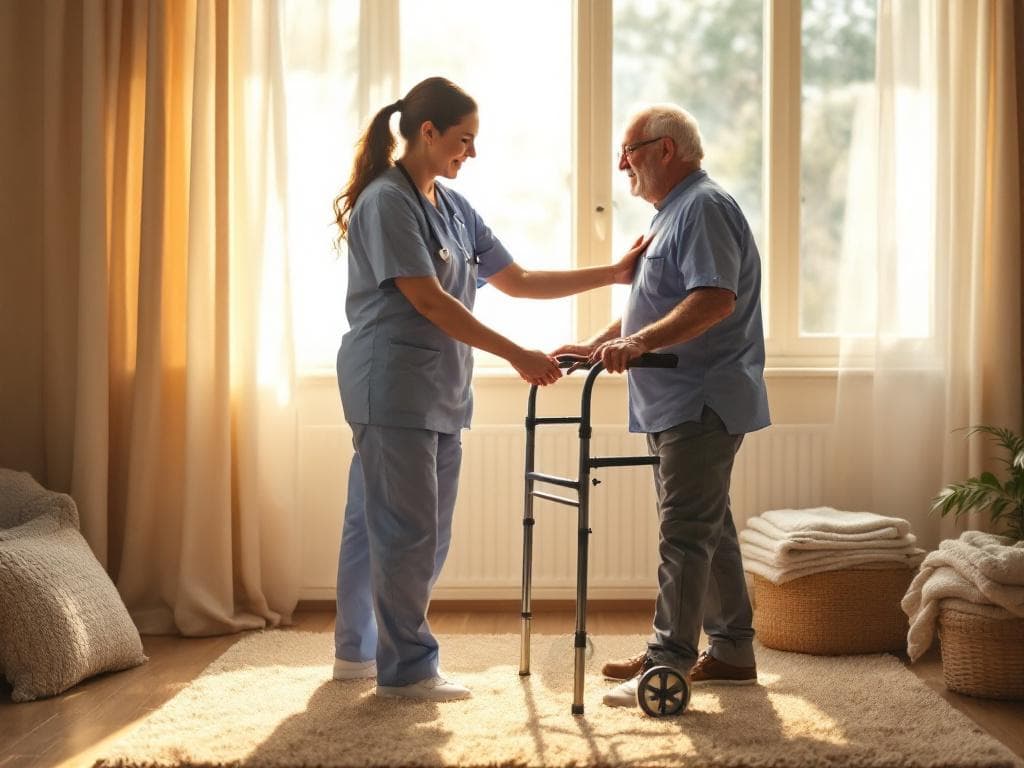
Understanding Stroke Recovery at Home
When a loved one experiences a stroke, the road to recovery can feel overwhelming—for both the survivor and their caregivers. While medical professionals provide critical treatment in the hospital, much of the healing process happens at home. This stroke recovery at home: a step-by-step guide for caregivers is designed to help you navigate this journey with confidence, compassion, and practical strategies.
At Senior Care Companion, we understand that stroke recovery is not just about physical healing—it’s about rebuilding independence, dignity, and quality of life. Whether your loved one is returning home after rehab or transitioning from acute care, this guide will walk you through the essential steps to create a safe, supportive, and effective recovery environment.
Step 1: Preparing Your Home for Stroke Recovery
Before your loved one returns home, it’s crucial to modify their living space to reduce risks and promote independence. Stroke survivors often face challenges like mobility limitations, balance issues, or cognitive changes, so a well-prepared home can prevent accidents and ease the transition.
Key Home Modifications for Safety
- Remove tripping hazards: Secure rugs with non-slip pads, clear clutter from walkways, and ensure cords are tucked away.
- Install grab bars and handrails: Place them in bathrooms (near the toilet and shower) and along staircases to assist with balance.
- Improve lighting: Add nightlights in hallways and bathrooms, and ensure all rooms are well-lit to prevent falls.
- Rearrange furniture: Create wide, unobstructed pathways to accommodate walkers or wheelchairs if needed.
- Adapt the bathroom: Use a shower chair, non-slip mat, and raised toilet seat to make bathing safer.
If you’re unsure where to start, Senior Care Companion offers in-home assessments to identify potential hazards and recommend personalized modifications. Our team can also connect you with occupational therapists who specialize in stroke recovery at home.
Essential Equipment to Have on Hand
- Mobility aids: Walkers, canes, or wheelchairs (consult a physical therapist for the right fit).
- Adaptive tools: Utensils with built-up handles, button hooks, or long-handled shoehorns for dressing.
- Communication devices: Whiteboards, picture boards, or speech-generating apps if aphasia (language impairment) is present.
- Emergency alert system: A wearable device to call for help in case of falls or medical emergencies.
Step 2: Understanding the Stroke Recovery Timeline
Stroke recovery is a gradual process, and every survivor’s journey is unique. However, understanding the general timeline can help you set realistic expectations and celebrate small victories along the way.
Acute Phase (First Few Days to Weeks)
- Focus: Stabilizing the survivor’s condition and preventing complications.
- Caregiver role: Assist with basic needs (eating, bathing, medication management) and monitor for signs of depression or fatigue.
- Therapy: Inpatient rehab may begin, focusing on regaining movement and speech.
Subacute Phase (Weeks to Months)
- Focus: Intensive rehabilitation to regain lost skills.
- Caregiver role: Support therapy exercises at home, encourage independence, and manage appointments.
- Therapy: Physical, occupational, and speech therapy become central to stroke recovery at home.
Chronic Phase (Months to Years)
- Focus: Long-term adaptation and maintaining progress.
- Caregiver role: Help the survivor adjust to new limitations, prevent secondary strokes, and foster emotional well-being.
- Therapy: Continued outpatient therapy or community-based programs to sustain gains.
Remember, recovery doesn’t follow a strict schedule. Some survivors see rapid improvements, while others progress more slowly. Patience and persistence are key.
Step 3: Supporting Physical Recovery at Home
Physical therapy is a cornerstone of stroke recovery at home. While professional therapists guide the process, caregivers play a vital role in reinforcing exercises and encouraging movement.
Exercises to Promote Mobility and Strength
- Range-of-motion exercises: Gentle movements (e.g., ankle circles, arm stretches) to prevent stiffness and improve flexibility. Perform these 2–3 times daily.
- Strength training: Use resistance bands or light weights to rebuild muscle. Focus on the affected side, but avoid overexertion.
- Balance exercises: Practice sitting to standing, heel-to-toe walking, or standing on one leg (with support) to improve stability.
- Fine motor skills: Activities like buttoning shirts, picking up small objects, or using putty can help regain hand dexterity.
Tips for Safe and Effective Home Therapy
- Follow the therapist’s plan: Stick to prescribed exercises and avoid improvising unless approved by a professional.
- Break sessions into short bursts: Fatigue is common, so 10–15 minute sessions may be more effective than long ones.
- Use adaptive tools: Items like reachers or dressing aids can make exercises easier and safer.
- Celebrate progress: Track improvements, no matter how small, to stay motivated.
If your loved one struggles with motivation, Senior Care Companion can provide in-home therapy assistants to make sessions more engaging and consistent.
Step 4: Addressing Cognitive and Emotional Challenges
Stroke recovery isn’t just physical—it often involves cognitive and emotional hurdles. Survivors may experience memory loss, difficulty concentrating, or mood changes like depression or frustration. As a caregiver, your support in these areas is just as critical as physical care.
Strategies for Cognitive Recovery
- Memory aids: Use calendars, alarms, or smartphone apps to help with reminders for medications or appointments.
- Puzzles and games: Crossword puzzles, card games, or memory-matching activities can stimulate the brain.
- Structured routines: Consistency helps survivors feel more secure and reduces confusion.
- Speech therapy: If aphasia is present, work with a speech-language pathologist to practice communication techniques.
Supporting Emotional Well-Being
- Encourage open communication: Let your loved one express their feelings without judgment. Acknowledge their frustrations and celebrate their efforts.
- Join a support group: Connecting with other stroke survivors and caregivers can reduce isolation and provide practical advice. Senior Care Companion offers virtual and in-person support groups for families.
- Prioritize self-care: Caregiver burnout is real. Schedule respite care or ask for help when needed—your well-being matters too.
- Watch for depression: Signs include withdrawal, loss of interest in activities, or changes in sleep patterns. Consult a doctor if you notice these symptoms.
Step 5: Nutrition and Medication Management
Proper nutrition and medication adherence are vital for preventing another stroke and supporting recovery. Stroke survivors may have difficulty swallowing (dysphagia), reduced appetite, or trouble taking medications independently.
Nutrition Tips for Stroke Recovery
- Follow a heart-healthy diet: Focus on fruits, vegetables, whole grains, lean proteins, and healthy fats (like those in fish or nuts). Limit salt, sugar, and processed foods.
- Address swallowing difficulties: If dysphagia is present, work with a speech therapist to modify food textures (e.g., pureed or soft foods). Avoid thin liquids unless thickened.
- Stay hydrated: Dehydration can worsen fatigue and confusion. Offer small sips of water throughout the day.
- Consider supplements: Ask the doctor about vitamin D, B12, or omega-3s if dietary intake is insufficient.
Medication Management
- Use a pill organizer: A weekly or daily organizer can prevent missed doses or double-dosing.
- Set reminders: Alarms, phone apps, or caregiver check-ins can help with adherence.
- Understand side effects: Some medications (e.g., blood thinners) require monitoring for bleeding or bruising.
- Coordinate with healthcare providers: Keep a list of all medications and share it with doctors during appointments.
If managing medications becomes overwhelming, Senior Care Companion’s professional caregivers can assist with medication reminders and meal preparation tailored to your loved one’s needs.
Step 6: Preventing Another Stroke
Stroke survivors are at higher risk for another stroke, so prevention is a top priority. Lifestyle changes and medical management can significantly reduce this risk.
Lifestyle Changes to Lower Risk
- Quit smoking: Smoking doubles the risk of stroke. Seek support from quitlines or smoking cessation programs.
- Limit alcohol: Excessive drinking can raise blood pressure. Stick to moderate intake (1 drink/day for women, 2 for men).
- Exercise regularly: Aim for 30 minutes of moderate activity (e.g., walking, swimming) most days of the week.
- Manage stress: Chronic stress can contribute to high blood pressure. Practice relaxation techniques like deep breathing or meditation.
Medical Management
- Control blood pressure: High blood pressure is the leading cause of stroke. Monitor levels regularly and take prescribed medications.
- Manage diabetes: Keep blood sugar levels in check to reduce vascular damage.
- Take prescribed medications: Blood thinners, statins, or blood pressure medications may be necessary long-term.
- Attend follow-up appointments: Regular check-ups with a neurologist or primary care doctor are essential.
Step 7: When to Seek Additional Help
While many families successfully manage stroke recovery at home, there may come a time when professional support is needed. Recognizing the signs can ensure your loved one receives the best care possible.
Signs You Might Need Extra Support
- Caregiver burnout: Feeling overwhelmed, exhausted, or resentful is a sign you need respite care.
- Safety concerns: Frequent falls, wandering, or difficulty managing medications may require a higher level of care.
- Declining health: Weight loss, infections, or worsening symptoms (e.g., increased weakness) should be evaluated by a doctor.
- Behavioral changes: Aggression, confusion, or severe depression may indicate the need for specialized care.
How Senior Care Companion Can Help
At Senior Care Companion, we provide personalized care plans to support stroke survivors and their families. Our services include:
- In-home care: Assistance with daily activities, therapy exercises, and companionship.
- Respite care: Temporary relief for family caregivers to recharge.
- Specialized stroke recovery programs: Tailored to your loved one’s unique needs, from mobility training to cognitive stimulation.
- Care coordination: We work with therapists, doctors, and other providers to ensure seamless care.
If you’re feeling unsure about managing stroke recovery at home alone, we’re here to help. Contact us for a free consultation to discuss your loved one’s needs.
Final Thoughts: A Journey of Patience and Hope
Supporting a loved one through stroke recovery at home is a marathon, not a sprint. There will be challenges, setbacks, and moments of frustration—but there will also be progress, laughter, and small victories that remind you why this journey is worth it.
Remember, you’re not alone. Lean on your healthcare team, connect with other caregivers, and don’t hesitate to ask for help when you need it. At Senior Care Companion, we’re committed to walking alongside you every step of the way, providing the care, resources, and compassion your family deserves.
For more information on how we can support your loved one’s recovery, visit our stroke recovery resources or call us today. Together, we can help your loved one reclaim their independence and quality of life.