Medically reviewed by Dr. Leslie Kernisan, MD, MPH — Board-Certified Geriatrician · last reviewed April 22, 2026
Aromatherapy for Sundowning: A Gentle Guide to Easing Dementia Symptoms Naturally
Discover how aromatherapy can help manage sundowning in dementia patients. Learn safe, effective techniques for calming evenings.
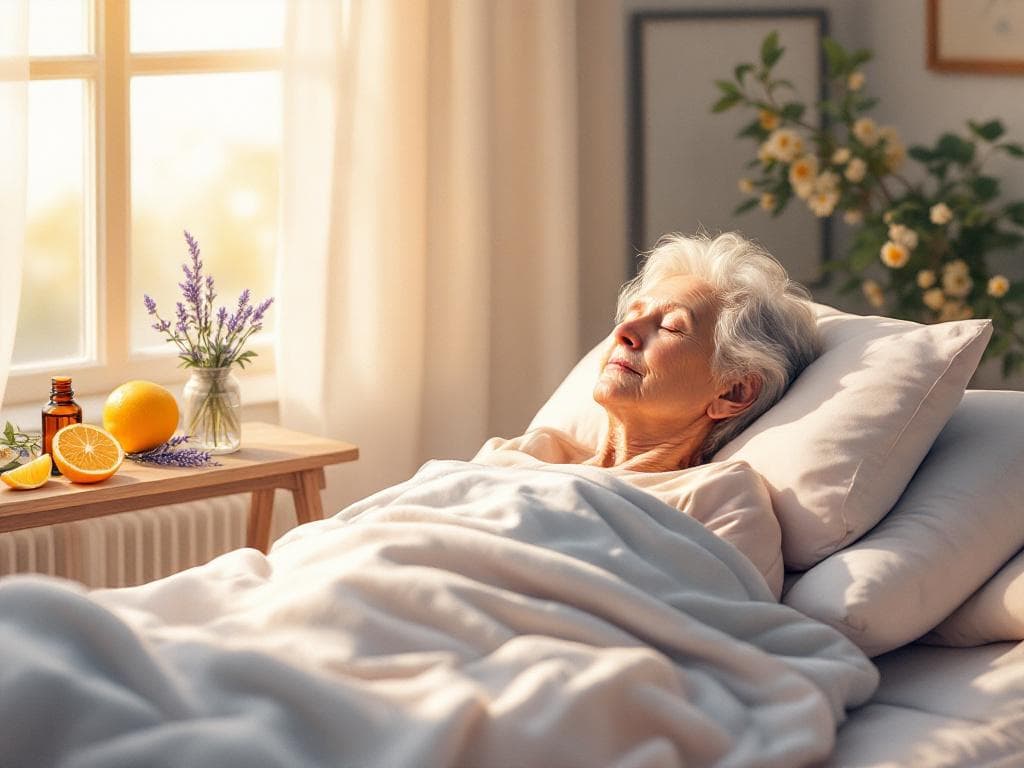
The Role of Aromatherapy in Managing Sundowning Symptoms for Dementia Patients
Evening can be a challenging time for individuals living with dementia. As the sun sets, many experience a phenomenon called sundowning—a state of increased confusion, agitation, or restlessness. Families and caregivers often feel helpless watching their loved ones struggle with these symptoms. But what if a simple, natural approach could bring comfort and calm?
Aromatherapy—the use of essential oils derived from plants—has gained attention as a supportive therapy for managing sundowning in dementia patients. While it’s not a cure, research and anecdotal evidence suggest it can play a meaningful role in soothing anxiety and promoting relaxation. At Senior Care Companion, we’ve seen firsthand how thoughtful aromatherapy practices can transform evenings for both seniors and their families.
In this guide, we’ll explore the science behind aromatherapy, which essential oils may help, and practical ways to incorporate them safely into daily routines. Whether you’re a family caregiver or a professional, this resource is designed to empower you with gentle, effective strategies.
Understanding Sundowning in Dementia
Before diving into solutions, it’s important to understand what sundowning is and why it happens. Sundowning, also known as late-day confusion, typically occurs in the late afternoon or evening. Symptoms may include:
- Increased agitation or irritability
- Confusion or disorientation
- Restlessness or pacing
- Mood swings or emotional outbursts
- Difficulty sleeping
While the exact cause of sundowning isn’t fully understood, experts believe it may be linked to:
- Disrupted circadian rhythms: Dementia can interfere with the body’s internal clock, making it harder to distinguish day from night.
- Fatigue: The mental and physical demands of the day can accumulate, leading to heightened stress in the evening.
- Sensory overload: Reduced lighting and shadows can create confusion or fear.
- Hormonal changes: Shifts in cortisol and melatonin levels may contribute to restlessness.
For families, sundowning can be emotionally taxing. It’s not uncommon to feel overwhelmed or unsure of how to help. This is where the role of aromatherapy in managing sundowning symptoms for dementia patients comes into play—as a complementary tool to ease discomfort and restore a sense of peace.
How Aromatherapy Works for Dementia and Sundowning
Aromatherapy leverages the power of scent to influence mood, cognition, and physical well-being. When inhaled, essential oil molecules travel through the olfactory system to the brain’s limbic system—the area responsible for emotions, memory, and behavior. This direct pathway explains why certain scents can evoke strong emotional responses or trigger relaxation.
For dementia patients, aromatherapy may offer several benefits:
- Reduces anxiety and agitation: Calming scents like lavender can lower stress hormones like cortisol.
- Promotes better sleep: Essential oils like chamomile may help regulate sleep patterns.
- Enhances mood: Citrus scents like orange can uplift spirits and reduce feelings of depression.
- Stimulates memory: Familiar scents (e.g., peppermint or rosemary) may evoke positive memories, providing comfort.
A 2020 study published in the Journal of Clinical Nursing found that aromatherapy with lavender oil significantly reduced agitation in dementia patients compared to a placebo. While more research is needed, these findings align with what many caregivers—including those supported by Senior Care Companion—have observed in practice.
Best Essential Oils for Managing Sundowning Symptoms
Not all essential oils are created equal, especially when it comes to dementia care. Some scents may be too stimulating, while others can have a profoundly calming effect. Below are the most effective oils for managing sundowning symptoms, along with their benefits and precautions.
1. Lavender (Lavandula angustifolia)
Benefits: Lavender is the gold standard for relaxation. It’s been shown to reduce anxiety, lower heart rate, and improve sleep quality—making it ideal for evening use.
How to use:
- Diffuse 2–3 drops in a bedroom diffuser 30 minutes before bedtime.
- Add 1–2 drops to a warm bath (mix with a carrier oil first).
- Dilute with a carrier oil (e.g., coconut or jojoba) and apply to pulse points (wrists, temples).
Precautions: Avoid direct skin application without dilution. Some individuals may experience headaches if overused.
2. Bergamot (Citrus bergamia)
Benefits: A citrus oil with mood-boosting properties, bergamot can ease anxiety and promote a sense of calm without sedation. It’s particularly helpful for those who feel restless or irritable in the evening.
How to use:
- Diffuse 2–3 drops in the evening to create a soothing atmosphere.
- Mix with lavender for a synergistic calming effect.
Precautions: Bergamot is photosensitive—avoid applying to skin before sun exposure. Always dilute.
3. Roman Chamomile (Chamaemelum nobile)
Benefits: Known for its gentle, sedative effects, chamomile can help ease nervous tension and prepare the mind for sleep. It’s especially useful for individuals who struggle with nighttime wakefulness.
How to use:
- Diffuse 2–3 drops in the bedroom.
- Add to a warm compress and place on the forehead or neck.
- Mix with lavender for a bedtime blend.
Precautions: Rarely, chamomile may cause allergic reactions in those sensitive to ragweed.
4. Sweet Orange (Citrus sinensis)
Benefits: Uplifting and cheerful, sweet orange can combat feelings of sadness or apathy that may accompany sundowning. Its bright scent can also stimulate appetite, which is helpful for those who forget to eat.
How to use:
- Diffuse 2–3 drops in the late afternoon to ward off evening agitation.
- Add 1 drop to a glass of water (food-grade only) for a refreshing drink.
Precautions: Like bergamot, sweet orange is photosensitive. Avoid skin application before sun exposure.
5. Frankincense (Boswellia carterii)
Benefits: Frankincense has been used for centuries to promote grounding and spiritual connection. For dementia patients, it can help reduce feelings of disorientation and anxiety.
How to use:
- Diffuse 2–3 drops in the evening.
- Dilute with a carrier oil and apply to the soles of the feet for a calming effect.
Precautions: Generally safe, but always perform a patch test before topical use.
Practical Ways to Use Aromatherapy for Sundowning
Incorporating aromatherapy into a dementia care routine doesn’t have to be complicated. Here are some simple, effective methods to try:
1. Diffusion
Using an essential oil diffuser is one of the easiest ways to fill a room with calming scents. For sundowning, try:
- A blend of lavender and bergamot (3 drops each) in the late afternoon to ease the transition into evening.
- Chamomile and frankincense (2 drops each) 30 minutes before bedtime to promote relaxation.
Tip: Place the diffuser in a central location, away from direct airflow (e.g., fans or vents). Run it for 15–30 minutes at a time to avoid overpowering the senses.
2. Topical Application
When applying essential oils to the skin, always dilute them with a carrier oil (e.g., coconut, jojoba, or almond oil) to prevent irritation. Safe application points include:
- Pulse points: Wrists, temples, or behind the ears (e.g., lavender diluted to 2% concentration).
- Soles of the feet: A gentle way to absorb oils without overwhelming the senses (e.g., frankincense).
- Back of the neck: Helps with relaxation (e.g., chamomile).
Tip: Perform a patch test first by applying a small amount of diluted oil to the inner arm and waiting 24 hours for any reaction.
3. Aromatherapy Inhalers
Portable inhalers are a discreet way to deliver essential oils on the go. They’re especially useful for caregivers who need to provide comfort outside the home. To make one:
- Add 5–10 drops of essential oil (e.g., lavender or bergamot) to the inhaler’s cotton wick.
- Inhale deeply for 30 seconds when agitation arises.
Tip: Keep an inhaler by the bedside for quick access during nighttime wakefulness.
4. Aromatherapy Baths
A warm bath can be soothing on its own, but adding essential oils can enhance the experience. For dementia patients:
- Mix 5 drops of lavender or chamomile with 1 tablespoon of carrier oil or unscented bath gel.
- Add to warm (not hot) bathwater and swirl to disperse.
- Keep the bathroom calm and dimly lit to avoid overstimulation.
Tip: If your loved one is resistant to baths, try a foot soak instead. Add 2 drops of essential oil to a basin of warm water and let them soak their feet for 10 minutes.
5. Scented Pillows or Linens
Infusing bedding with calming scents can create a comforting sleep environment. Here’s how:
- Add 2–3 drops of lavender or chamomile to a cotton ball and tuck it into a pillowcase.
- Spritz linens with a water-based essential oil spray (mix 10 drops of essential oil with 1 cup of distilled water in a spray bottle).
Tip: Avoid spraying directly onto skin or fabrics that may stain (e.g., silk).
Safety Considerations for Aromatherapy in Dementia Care
While aromatherapy is generally safe, dementia patients may have unique sensitivities. Keep these precautions in mind:
1. Always Dilute Essential Oils
Undiluted essential oils can cause skin irritation or allergic reactions. For adults, a safe dilution ratio is 2% or less (e.g., 12 drops of essential oil per 1 ounce of carrier oil).
2. Avoid Certain Oils
Some essential oils may be too stimulating or unsafe for dementia patients. Avoid:
- Peppermint or eucalyptus: Can be overpowering and may trigger respiratory issues.
- Rosemary: May increase blood pressure or cause agitation in some individuals.
- Cinnamon or clove: Can irritate the skin and mucous membranes.
3. Monitor for Reactions
Even gentle oils can cause adverse reactions. Watch for signs of:
- Skin redness or itching
- Headaches or dizziness
- Increased agitation or confusion
If any of these occur, discontinue use immediately.
4. Consult a Healthcare Provider
Before starting aromatherapy, consult your loved one’s doctor, especially if they have:
- Respiratory conditions (e.g., asthma or COPD)
- Epilepsy or a history of seizures
- Allergies or sensitivities to plants
At Senior Care Companion, our caregivers are trained to recognize individual needs and preferences, ensuring that aromatherapy is used safely and effectively.
5. Use High-Quality Oils
Not all essential oils are created equal. Choose 100% pure, therapeutic-grade oils from reputable brands. Avoid synthetic fragrances, which can contain harmful chemicals and lack the therapeutic benefits of pure essential oils.
Creating a Sundowning-Friendly Evening Routine
Aromatherapy is most effective when combined with other calming strategies. Here’s a sample evening routine to help manage sundowning symptoms:
Late Afternoon (4:00–5:00 PM)
- Light therapy: Expose your loved one to natural light or a light therapy box to regulate circadian rhythms.
- Aromatherapy: Diffuse bergamot or sweet orange to uplift mood and reduce restlessness.
- Gentle activity: Engage in a low-key activity like listening to music or looking through photo albums.
Early Evening (5:00–7:00 PM)
- Calm environment: Dim the lights and reduce noise to minimize sensory overload.
- Aromatherapy: Switch to a lavender and chamomile blend in the diffuser.
- Light snack: Offer a small, easy-to-digest snack (e.g., warm milk or a banana) to prevent hunger-related agitation.
Bedtime (7:30–9:00 PM)
- Warm bath: Incorporate lavender or chamomile essential oils for relaxation.
- Comforting scents: Spritz linens with a calming essential oil spray.
- Routine cues: Use consistent bedtime rituals (e.g., reading a book or playing soft music) to signal it’s time to wind down.
Real-Life Success Stories: Aromatherapy in Action
At Senior Care Companion, we’ve seen the transformative power of aromatherapy firsthand. Here are a few stories from families we’ve supported:
Case Study 1: Mary’s Evening Calm
Mary, an 82-year-old with Alzheimer’s, would become increasingly agitated every evening, pacing and calling out for her late husband. Her daughter, Sarah, felt helpless until she introduced aromatherapy. By diffusing lavender and frankincense in Mary’s bedroom and applying a diluted blend to her wrists, Sarah noticed a significant reduction in Mary’s restlessness. Within a week, Mary’s evenings became more peaceful, and she even began sleeping through the night.
Case Study 2: John’s Mood Boost
John, a 78-year-old with vascular dementia, often seemed withdrawn and apathetic in the evenings. His caregiver, Lisa, started diffusing sweet orange oil in his living room during the late afternoon. The bright, citrusy scent lifted John’s mood, and he began engaging more with his surroundings. Over time, John’s sundowning symptoms lessened, and he even started humming along to his favorite songs.
These stories highlight how the role of aromatherapy in managing sundowning symptoms for dementia patients can be life-changing—not just for the individual, but for their entire support system.
When to Seek Professional Help
While aromatherapy can be a valuable tool, it’s not a substitute for professional care. If sundowning symptoms worsen or become unmanageable, it may be time to consult a specialist. Signs that additional support is needed include:
- Severe agitation or aggression that poses a safety risk.
- Persistent sleep disturbances that affect overall health.
- Signs of depression or withdrawal that don’t improve with non-pharmacological interventions.
Senior Care Companion offers personalized care plans that incorporate aromatherapy alongside other evidence-based strategies. Our team of trained caregivers can provide the support your family needs to navigate the challenges of dementia with compassion and expertise.
Final Thoughts: A Gentle Path Forward
Caring for a loved one with dementia is a journey filled with both challenges and moments of profound connection. Sundowning can feel like an insurmountable hurdle, but with the right tools—like aromatherapy—you can create a sense of calm and comfort during the evening hours.
Remember, the key to success is patience and consistency. Start with small, manageable steps, and observe how your loved one responds. What works for one person may not work for another, so don’t be afraid to experiment with different oils and methods.
At Senior Care Companion, we’re here to support you every step of the way. Whether you’re looking for guidance on aromatherapy or need a helping hand with daily care, our team is dedicated to enhancing the quality of life for seniors and their families. Together, we can make evenings a little brighter—and a lot more peaceful.
Additional Resources
For further reading and support, explore these trusted resources:
- Alzheimer’s Association: Comprehensive information on dementia care and sundowning.
- National Association for Holistic Aromatherapy: Guidelines for safe aromatherapy practices.
- Senior Care Companion: Personalized care plans and caregiver support.
Have you tried aromatherapy for sundowning? Share your experiences in the comments below—we’d love to hear what’s worked for you!